


Tilmeld dig vores nyhedsbrev
Få de bedste opskrifter, tips fra kokkene og nyheder om alt det der spirer i Meyers' univers.
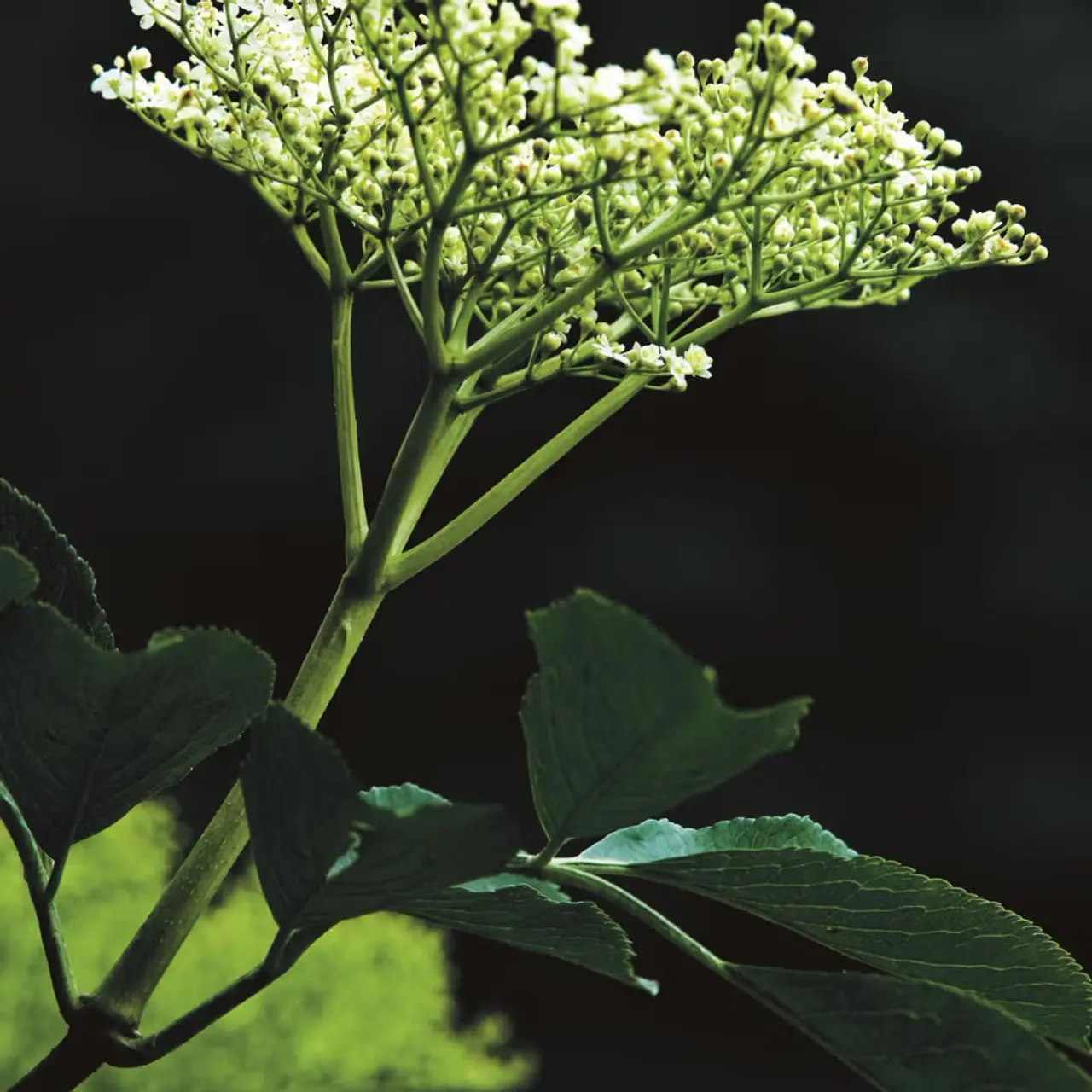
July is high summer. This is when everything reaches its peak – the fields are abundant, kitchen gardens give back, and ingredients taste their very best. The light feels endless, the days are long, and meals happily move outdoors. This is when we eat with our hands, share platters, and gather under the open sky. In the kitchen, this means maturity. More sweetness, more juiciness, more depth.
We can get most things all year round, but that does not mean they taste as they should.
When ingredients are allowed to fully ripen in the sun and are harvested when they are actually ready, you can taste the difference.
At the same time, it often comes with a lower climate footprint and less transportation.
Here are five good reasons to eat seasonally:
In July, nothing is just on its way anymore. We are in the middle of it.
This is when ingredients truly unfold. The sweetness is more pronounced, the juices flow more freely, and the flavors need less help.
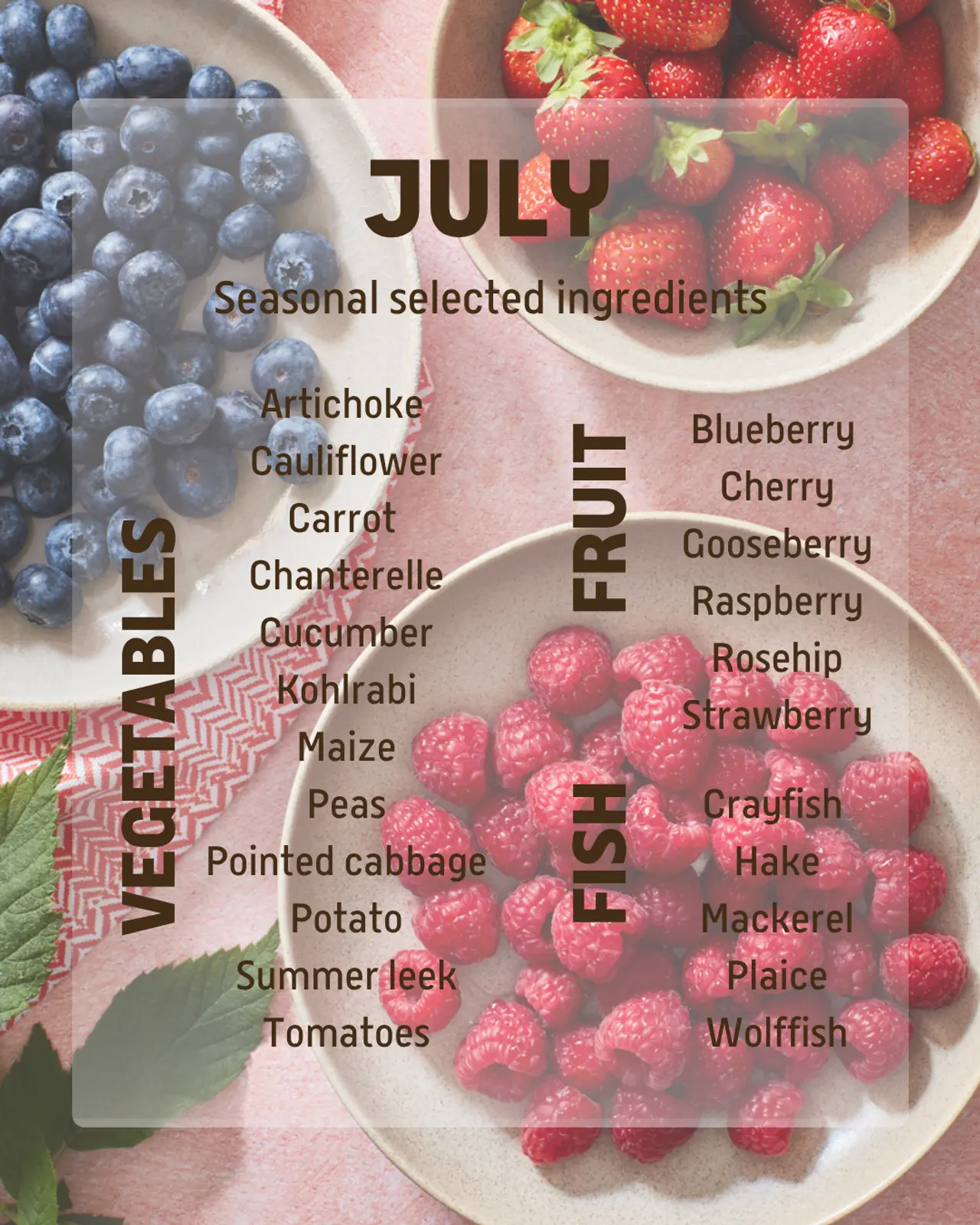
Four ingredients that truly define July:
Tomatoes in July are something special. Sweet, tangy, and juicy all at once – with a depth you simply cannot fake. In all shapes and colors, the tomato sits there showing off; perhaps the most beautiful vegetable in the world. Decadent and refined when it wants to be, but also so fundamentally humble that it feeds much of the world’s population.
Eat them as they are, with a bit of salt and good oil. Or cut them roughly and let them become a juicy salad, where the juices themselves form the dressing.
Zucchini is mild, but that is exactly what makes it so versatile. It absorbs flavor and can be both crisp and soft, depending on how you treat it.
Slice it and grill it, grate it coarsely into a salad, or sauté it quickly in a pan. It rarely steals the spotlight on its own but elevates everything around it.
“ July is not just high summer – it is the peak of flavor.
Strawberries, raspberries, red currants, and blackcurrants. July is the month of berries. Berries are just as good for us as they are delicious to eat – or drink, for that matter. Rich in antioxidants, vitamins, and fiber that protect the body’s cells and strengthen the immune system. Berries are as diverse as the flowers they grow from. Be kind to yourself, and enjoy them generously.
They taste concentrated and vibrant – sweet, tart, and full of character. Use them as they are, or let them contrast with something rich, something salty, or something crunchy.
The first new onions are something completely different from the ones we pull from the drawer the rest of the year.
They are mild, crisp, and almost sweet. Use them raw in salads, grilled in halves, or lightly sautéed so they still have bite. These are onions without harshness and full of summer.
Many summer vegetables contain more water than at other times of the year.
This is not a coincidence – it is part of how they grow quickly in warmth and light. And it is also why they feel so juicy and fresh.
But it also means they react quickly to heat: give them too much, and they lose both structure and flavor. So in July, it is often about shorter cooking times – or none at all.
July does not just change what we eat, but how we eat.
We move outside. Plates become platters, dishes become small bites, and the meal becomes something we pick at along the way. Something we pass around the table and share together.
This is when food can drip a little, crunch a little, and be eaten with your hands. Tomatoes that burst. Berries that stain your fingers. Vegetables from the grill that still smell of smoke. Sand between your toes as you pick raspberries and rose hips in the garden.
It is not the perfect cut or the precise plating that matters. It is the taste of Danish summer.
Hold dig opdateret
Få de bedste opskrifter, tips fra kokkene og nyheder om alt det der spirer i Meyers' univers.