There’s often more potential in the leftovers in your fridge than you might think. With a little creativity and a few simple kitchen habits, tired vegetables, stale bread and yesterday’s leftovers can all be given a new lease of life.
We’ve gathered our best tips, recipes and kitchen tricks to help you make the most of the ingredients you already have and reduce food waste in your everyday life.
Half a courgette. Three potatoes left over from yesterday. The last chunk of bread. A leek top looking a little tired around the edges.
It may not seem like the most obvious starting point for a feast. But with a little kitchen know-how, much of what we tend to think of as leftovers can be given a new – and very tasty – lease of life.
At Meyers, we’ve been working to reduce food waste for many years. Not only because wasting less is good for the climate and your wallet, but because good ingredients deserve to be eaten. A lot goes into producing our food – land, water, energy, hard work and human hands – and there’s often plenty of flavour hiding in the parts we’re a little too quick to throw in the bin.
FOOD WASTE OR FOOD SCRAPS?
Food waste and food scraps are not the same thing. The difference is actually quite simple: Could it have been eaten?
Food waste
Food that could have been eaten but is thrown away instead. This might be bread, whole fruit and vegetables, or leftovers from a meal. In short: edible food that goes to waste.
Food scraps
The parts of ingredients that aren’t suitable for eating. This might include eggshells, coffee grounds and fruit cores. In short: the inedible bits.
We can’t avoid food scraps altogether. But we can get better at distinguishing between what really is waste and what simply needs a little more love in the kitchen.
Because quite a few of the things that often end up in the bin can easily make their way onto our plates. Broccoli stalks, the green tops of leeks and the outer leaves of pointed cabbage are good examples. With the right preparation, they can become something delicious while helping each ingredient go a little further.
The more of each ingredient we get into the pot and onto the plate, the less ends up in the bin.
Look, smell and think before you throw it away
One of the simplest ways to reduce food waste is to get better at judging the food we have – and seeing the possibilities in what’s already there.
Use your senses before throwing food away. Look at it, smell it and, when appropriate, taste it. And remember the difference between date labels: “Best before” doesn’t necessarily mean bad after – food can often still be eaten after this date, while products labelled “use by” should be discarded once the date has passed.
That tired carrot doesn’t have to meet its end in the vegetable drawer. Wilted lettuce and vegetables can often be revived with a soak in cold water, while wrinkled tomatoes and other vegetables that no longer look destined for the salad bowl can be roasted, added to a stew or blended into soup. Dry bread can become croutons, breadcrumbs or find its way into a new bread dough. Herb stalks can add flavour to vinegar, and root vegetable peelings can be simmered into a stock with plenty of depth.
It’s not necessarily cooking with leftovers. It’s simply cooking from a different starting point.
Seven kitchen tricks to make your food go further
Tip 1: Plan ahead – but leave room for improvisation
Check your fridge, freezer and kitchen cupboards before you go shopping. What do you already have that needs to be eaten first? Consider making a meal plan and thinking a few days ahead: Could tonight’s leftovers be given a new lease of life in tomorrow’s lunch or dinner?
You could also leave one meal open for the week’s leftovers, letting the fridge decide what’s on the menu – and making sure that half a courgette gets an invitation to the dinner table too.
Tip 2: Use the whole ingredient
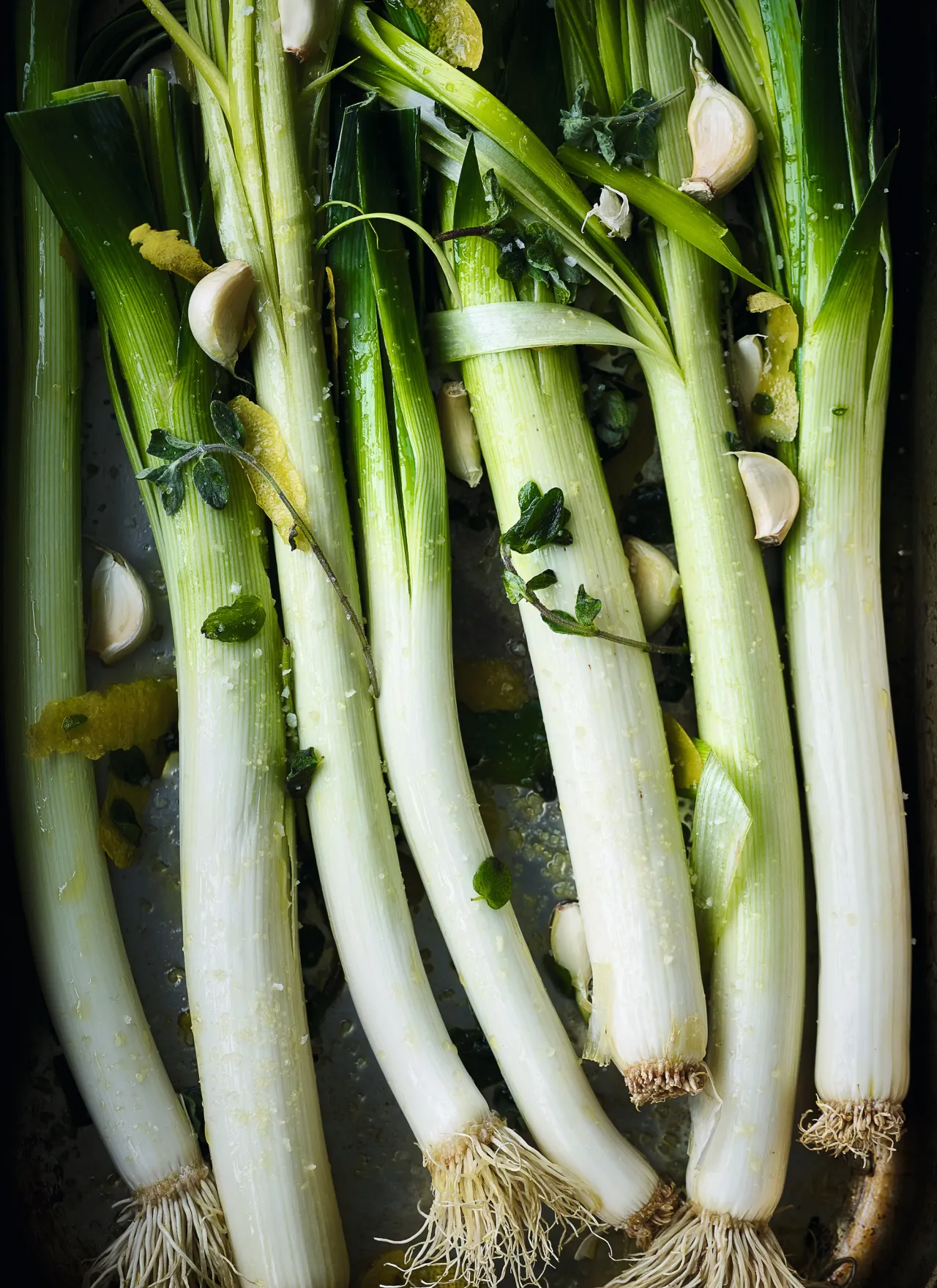
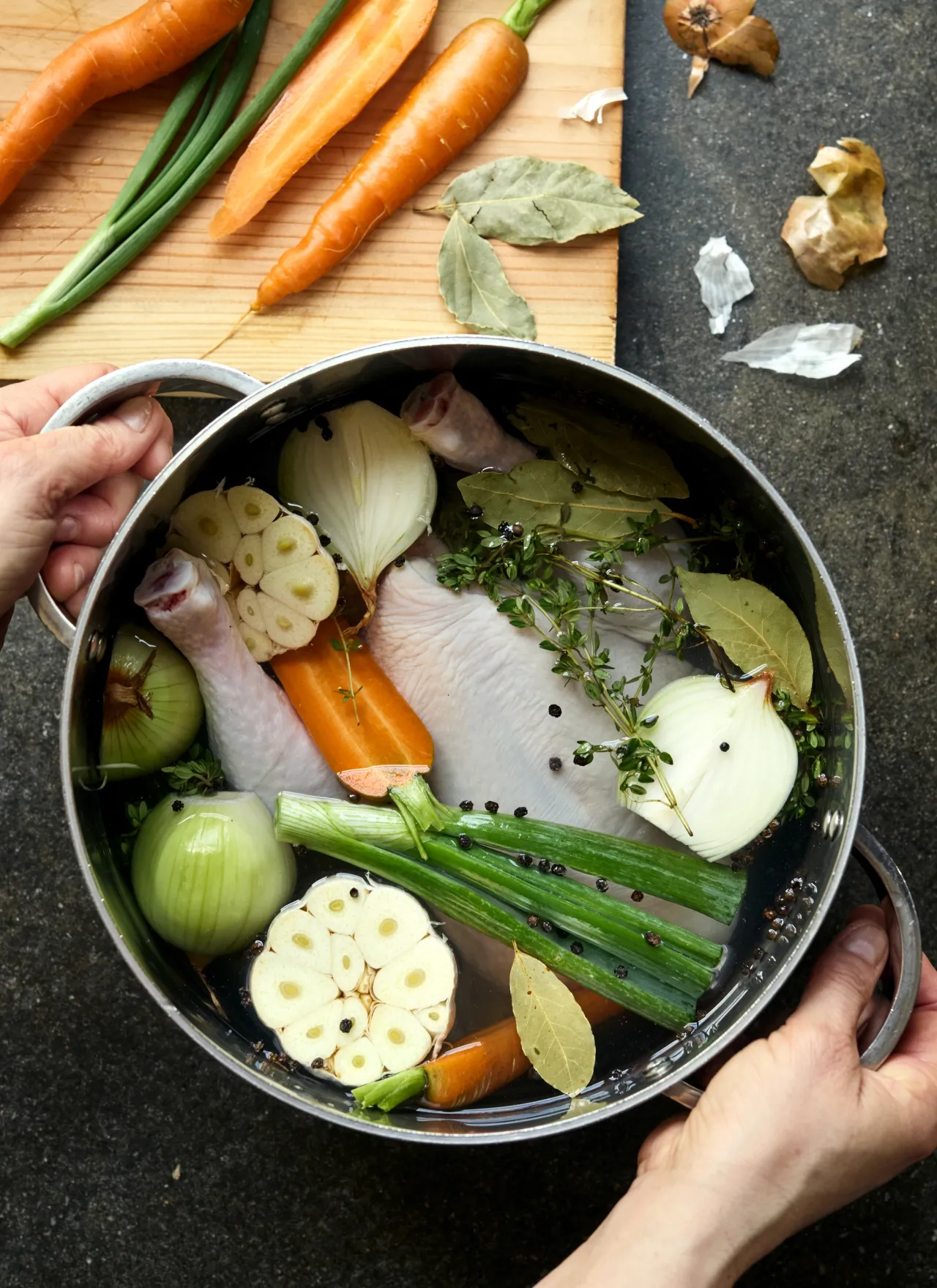
There’s often more to an ingredient than we realise. Many vegetables don’t need peeling at all if they’re washed well. The green tops of leeks can go into soups and tarts, pumpkin seeds can be roasted, and washed root vegetable peelings can be turned into stock.
Tip 3: Turn leftovers into an ingredient, not a repeat
Yesterday’s potatoes don’t have to return to the table in exactly the same form. Use them in an omelette, mash them into flatbreads, or turn them into a filling for a tart or a topping for pizza. When leftovers take on a new role, they rarely feel like leftovers.
Tip 4: Have a few good fridge-clearing dishes up your sleeve
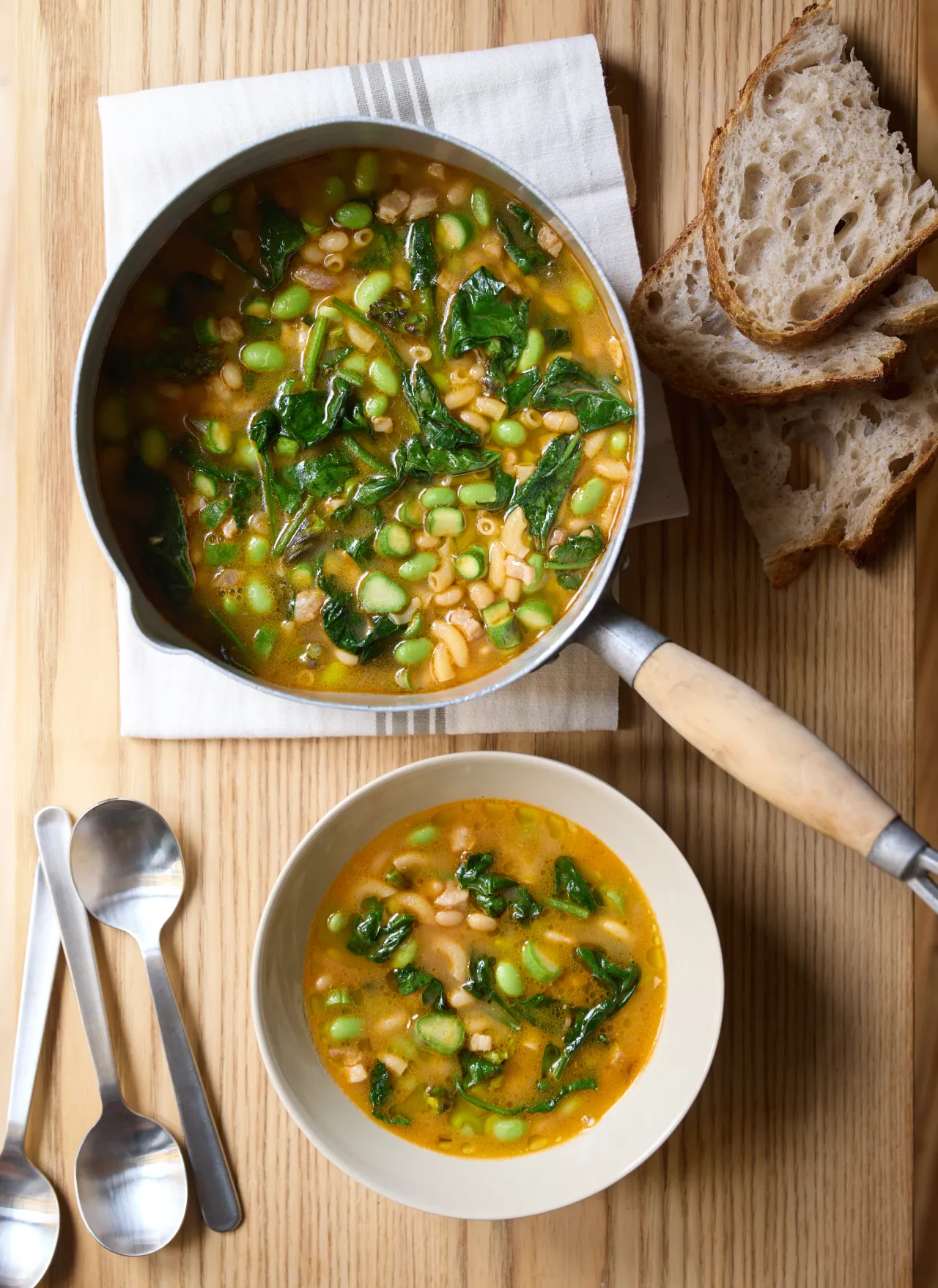
Soups, stews, risottos, tarts, fried rice and fritters are all great ways to use up vegetables, grains and other small leftovers.
Tip 5: Use your freezer
Rice, bulgur, bread, herbs and many prepared dishes can be given a longer life in the freezer. Label the container with what’s inside, and today’s leftovers can become an easy dinner another day.
Tip 6: Pickle, preserve and ferment seasonal vegetables to enjoy later in the year
It takes next to no time to prepare, and the results are delicious. Fermented vegetables are particularly good in vegetarian dishes, where they add wonderful depth and flavour.
Tip 7: Store your food properly
Proper storage can help food stay fresh for longer. Broccoli, cauliflower, carrots, lettuce, cabbage, leeks and spinach keep best in the fridge, preferably wrapped or covered to prevent them from drying out. Potatoes and onions prefer somewhere dark, dry and cool, while bananas are best kept out of the fridge.
Keep an eye on your fruit bowl, too: apples and bananas release a lot of ethylene, which can make nearby fruit and vegetables ripen faster. That can be handy if an avocado needs a little encouragement – less so if you want everything else to last as long as possible.
What do you have left over?
Leftovers rarely come with a recipe. Fortunately, plenty of recipes have room for leftovers. Here, we’ve gathered a few that are particularly useful to have up your sleeve when the vegetable drawer needs clearing out, the bread has gone stale, or you have some rice left over from yesterday.
Use the recipes as inspiration, and swap ingredients according to what you have.
Food waste isn’t only about the portion of dinner left over at the end of a meal. There’s also plenty of potential in the parts of an ingredient we don’t usually think much of.
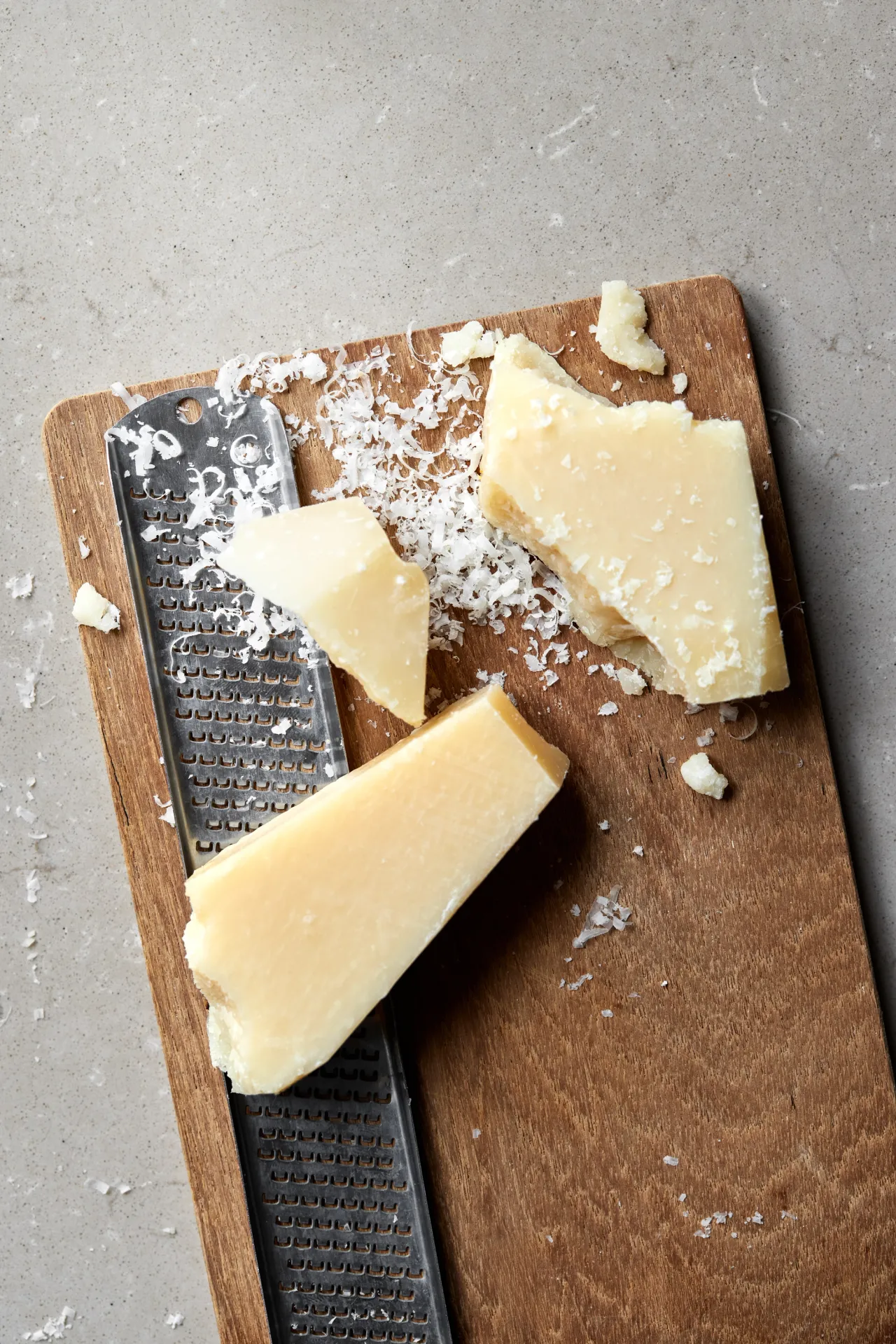
Try, for example, simmering washed peelings from celeriac, parsnips and parsley root into a stock. Leave apple cores, herb stalks or plum stones to infuse in vinegar. Or use a Parmesan rind to add depth to a flavoured oil.
When we use more of each ingredient, something interesting happens: we don’t just reduce waste. We also discover new flavours, textures and possibilities to play with.
Pickling and fermenting seasonal surplus
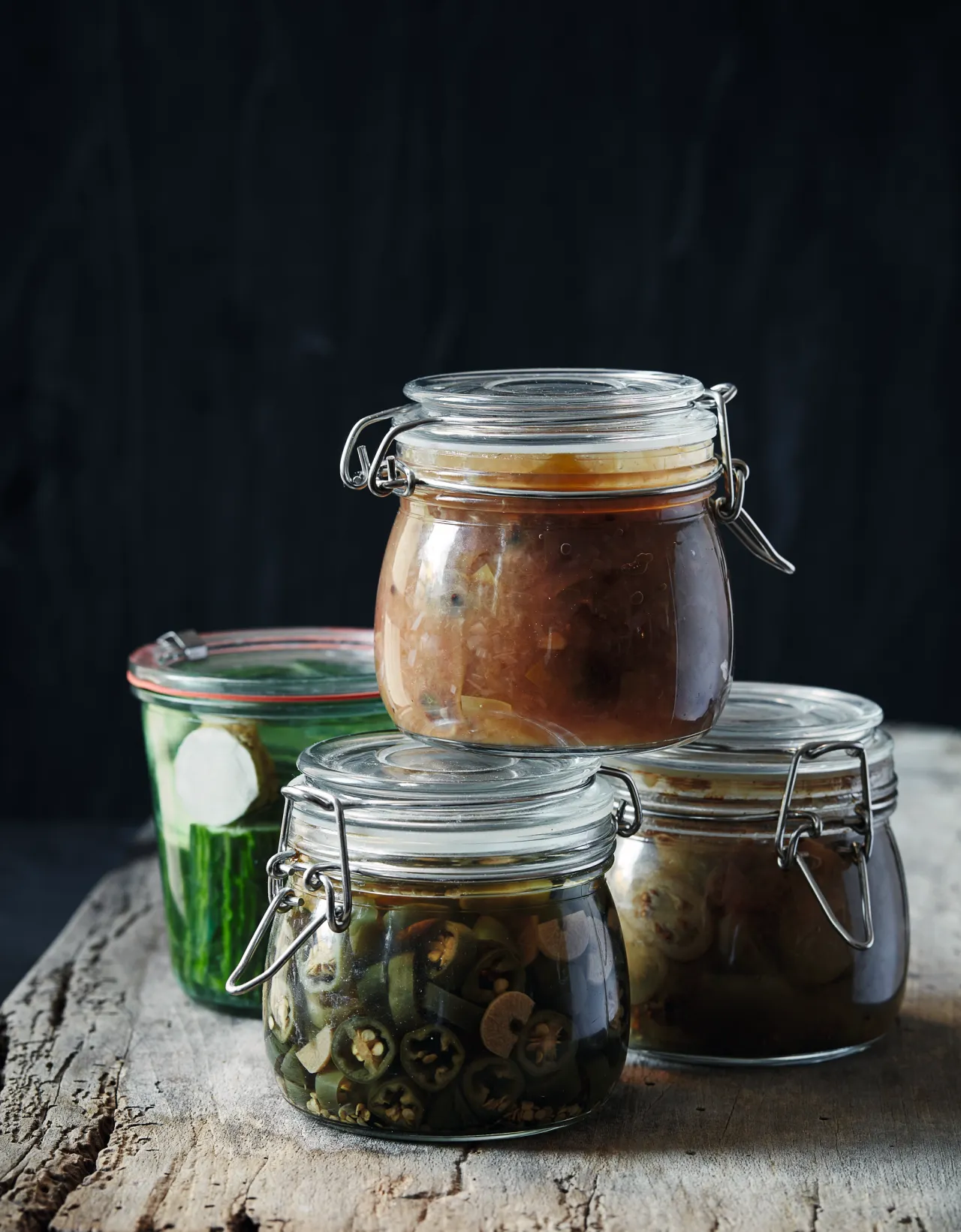
If you have vegetables you don’t always manage to use up, pickling and fermenting can be a great way to reduce food waste. Instead of letting those last few carrots, cabbages or onions wilt away in the vegetable drawer, you can give them a longer life in a jar – while transforming them into tangy, crunchy and flavourful additions that can lift everything from open-faced rye bread sandwiches to dinner.
How we work to reduce food waste at Meyers
At Meyers, reducing food waste is an important part of how we work with food every day. Together with other companies and industry organisations, we have signed the “Denmark Against Food Waste” agreement, which aims to halve food waste by 2030.
But reaching that goal takes more than words. It requires a shared effort – in our kitchens at home, in the workplace and across the food industry.
As a food company, working systematically to minimise food waste is a natural part of how we run our kitchens. And we’re constantly looking for new ways to do a little better.
In our own kitchens, the work begins long before anything is at risk of ending up in the bin. Twelve times a year, we measure food waste in our canteens over the course of a week. These measurements help us identify where we can make a difference and are translated into practical changes in the kitchens. This might mean adjusting portion sizes and production or rethinking how food is served, so that more gets eaten and less goes to waste.
At the same time, our chefs work to use ingredients as fully as possible – from cauliflower leaves and carrot tops to yesterday’s bread. Our culinary consultants have also developed a food waste guide for our canteens, with knowledge, methods and inspiration for continually getting more food onto plates and less into the bin.
In several of our canteens, guests can also buy surplus food from lunch to take home for dinner. And at Meyers Madhus, we regularly advise and run courses on reducing food waste for kitchen staff, including employees from the City of Copenhagen.
We take the same approach in our bakeries, where we work to ensure that as little as possible goes to waste. Surplus bread and cakes are sold through YourLocal, among other channels, while anything left unsold is donated to various shelters and drop-in centres in Copenhagen.
Hold dig opdateret
Tilmeld dig vores nyhedsbrev
Få de bedste opskrifter, tips fra kokkene og nyheder om alt det der spirer i Meyers' univers.