


Tilmeld dig vores nyhedsbrev
Få de bedste opskrifter, tips fra kokkene og nyheder om alt det der spirer i Meyers' univers.
With February, we begin the final chapters of winter. The light slowly starts to take hold of the days, and even the smallest glimpses of sun make us breathe a little easier.
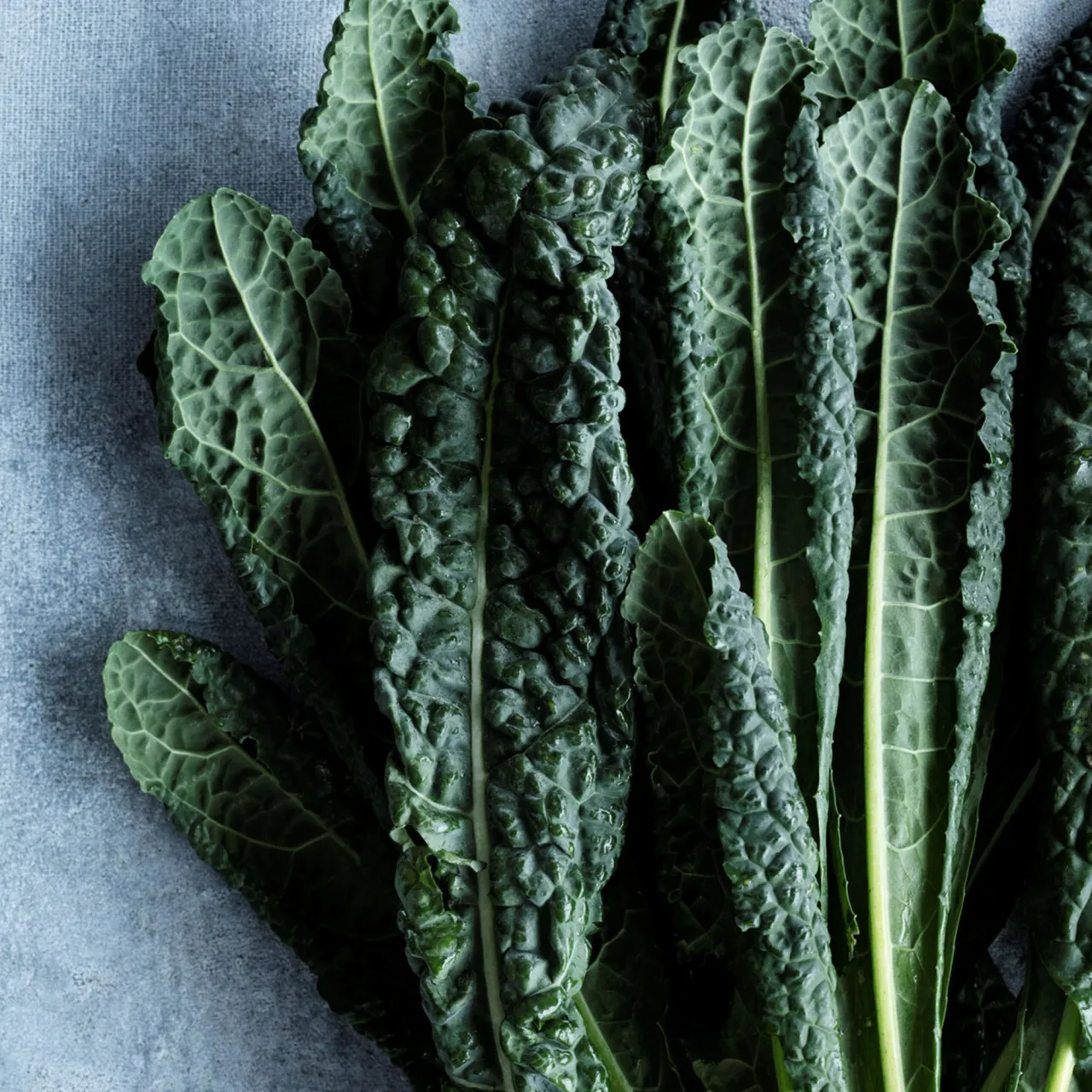
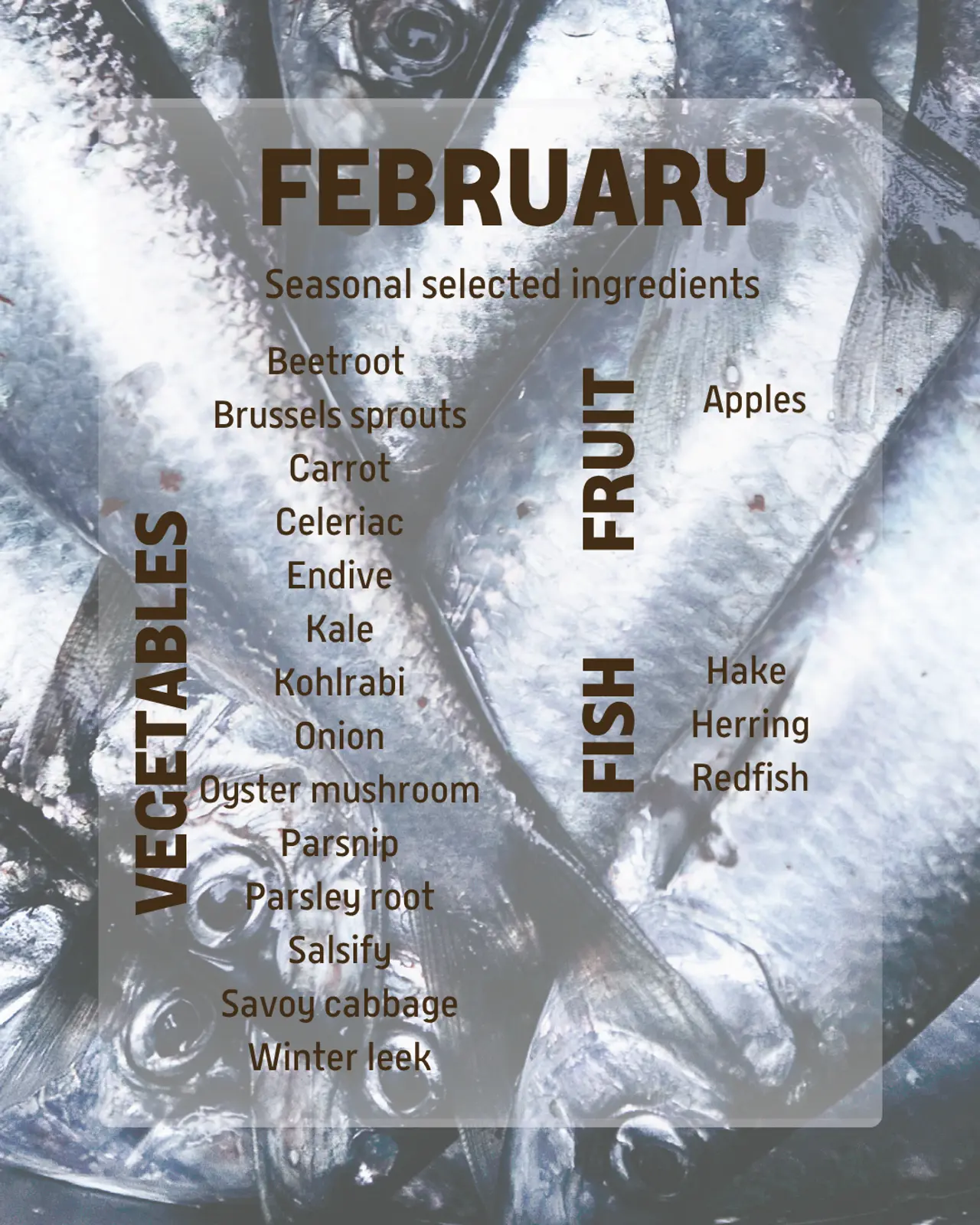
In the kitchen, it is still the hearty ingredients that set the agenda. Roots and cabbages remain in focus: kale, Brussels sprouts, earthy beets, celeriac, and sweet parsnips. On the fruit shelf, winter apples like Rubens, Jonagold, Junami, and Belida shine with their juicy balance between acidity and sweetness.
From the sea, you should look for hake, redfish, and herring; rich in flavor and perfect for warm dishes with depth and character.
When we eat according to the season, we hit something that both tastes great and makes sense: it is healthier, more climate-friendly, and often better for the wallet. So we celebrate February’s 28 days and guide you to simmering pots, flavorful winter dishes, and hearty meals that bring out the best in Danish ingredients.
Today, you can get all kinds of fruits and vegetables year-round because we import much of our food from Southern Europe or South America. This can make it difficult to figure out when individual ingredients are in peak season. Still, there is a big difference in taste between a Danish field-grown tomato in August and a Spanish greenhouse tomato in February. But beyond taste, eating seasonally also brings natural variation to meals and something to look forward to when we let the seasons determine what we eat.
Here are 5 good reasons to eat seasonally:
In Denmark, we have a climate that does not exactly spoil us with fresh greens year-round. Our growing seasons are short and intense, and winter can feel long - both in the body and in the kitchen.
Here in February, we begin to long for more. We dream of fresh asparagus, tender peas, and crisp salads from Danish soil. But the reality is that there are still weeks - yes, months - before the first open-field vegetables begin to emerge from Danish fields.
Until then, we rely on what we have: Danish winter stores. Root vegetables, cabbages, tubers, and durable apples that have been kept cool and dark since autumn, and that still have more to offer than we might think.
It takes a bit of creativity and care to create variation and great flavor from the same familiar ingredients week after week. But this is exactly where craftsmanship and small kitchen techniques make a difference: a new preparation, a new seasoning, a new combination.
We believe that it is precisely in this transition - in the waiting - that we can find joy in eating with nature. And perhaps even become better at appreciating it when everything begins to grow again.
It is knobby and unattractive, a bit like a root tangle. But inside, celeriac hides a true treasure of flavor: nutty, deep, slightly sweet, with a hint of perfume that pairs beautifully with butter, acidity, and warm spices.
In the winter kitchen, it is indispensable and equally at home in velvety soups, roasted whole in the oven with browned butter, grated raw in a celeriac remoulade, or as a base in slow-cooked dishes that aim for more than just comfort.
Celeriac is not just for dedicated vegetable enthusiasts. It is an ingredient with edge and character, inviting you to explore its versatility throughout the winter months.
Below, we have gathered our best celeriac recipes, so you can let this curly root take center stage in your winter kitchen.
Remember also that if the uneven surface is a bit tricky, you can cut the celeriac into thick slices first - then it is easier to peel one slice at a time. And definitely save the peel: it can be roasted until crispy and used as a topping for soups!
It burrows into the soil and emerges with both color and substance. Beetroot is the winter kitchen’s little powerhouse: intense, sweet, and with that deep, mineral flavor.
Beneath the rough skin lies a versatile ingredient that can do it all: pickle it with star anise and horseradish, roast it tender with honey and thyme, blend it into a silky soup, or grate it raw and crisp into salads. It pairs particularly well with goat cheese, apple, rye, capers, and orange.
And beetroot is not just beautiful - it is also inexpensive, climate-friendly, and full of nutrients. A true everyday superhero in the kitchen.
We have gathered our favorite beetroot recipes below:
Beetroots were originally yellow and white? The red color only came with cultivation in the 18th century and was later used as a textile dye.
They do not look like they are asking for attention. But beneath their earthy exterior, both Jerusalem artichoke and parsnip hide great flavor and even greater versatility.
Jerusalem artichoke has an almost nutty sweetness, a creamy texture, and a hint of artichoke when prepared just right - for example, roasted whole with herbs, sliced paper-thin in salads, or turned into a silky soup with a crunchy topping.
Despite the name, Jerusalem artichoke has nothing to do with artichokes, and it is not from Jerusalem. The name comes from the Italian girasole, meaning sunflower, which the plant is related to.
Parsnip is milder and more aromatic, with a hint of anise and vanilla. It becomes sweet and caramelized in the oven, adds depth to root vegetable mash, and pairs beautifully with citrus and browned butter.
Parsnip was actually cultivated by the Romans and was a staple in Danish cuisine long before the potato arrived. Did you also know that its sweetness increases with frost: the colder the soil, the better the flavor.
These two roots are, in their own ways, indispensable when winter needs to taste like something. And they thrive in the same dishes, from soups and pies to purées and oven-baked meals.
And while we are talking about all of winter’s roots and tubers, remember that you can save vegetable peels, tops, and stems in the freezer and make stock from them, which you can use as a base for a good soup, risotto, or stew.
Traditionally, most stews are meat-heavy affairs. In fact, they are often about taking the time to simmer meat until it becomes completely tender. But you do not need meat to create depth, richness, and body in a pot - you just need to build flavor layer by layer.
Here are our basic principles for making a plant-based stew that truly tastes like something:
Sauté onions, garlic, celery, leek, or carrot slowly in oil or butter until they smell sweet and caramelized. This gives the stew its backbone.
Vegetables like mushrooms, tomato paste, miso, soy sauce, dried mushrooms, seaweed, fried cabbage, or toasted nuts contribute umami—the fifth basic taste that adds fullness and depth. Use one or more.
A plant-based dish benefits from acidity - it lifts and balances. Use apple cider vinegar, lemon, mustard, wine, or pickled elements. Also think about textures: crunchy toppings like toasted seeds or coarse breadcrumbs work wonders.
Legumes - beans, lentils, chickpeas - provide satiety and absorb flavor. Cook them yourself if you have time. Or use our organic canned versions. Let them simmer gently with spices and stock so they develop character.
A spoonful of butter, a dollop of crème fraîche, a pinch of herb salt, or a sprinkle of lemon zest. The final touch completes the dish and gives it personality.
Hold dig opdateret
Få de bedste opskrifter, tips fra kokkene og nyheder om alt det der spirer i Meyers' univers.