


Tilmeld dig vores nyhedsbrev
Få de bedste opskrifter, tips fra kokkene og nyheder om alt det der spirer i Meyers' univers.
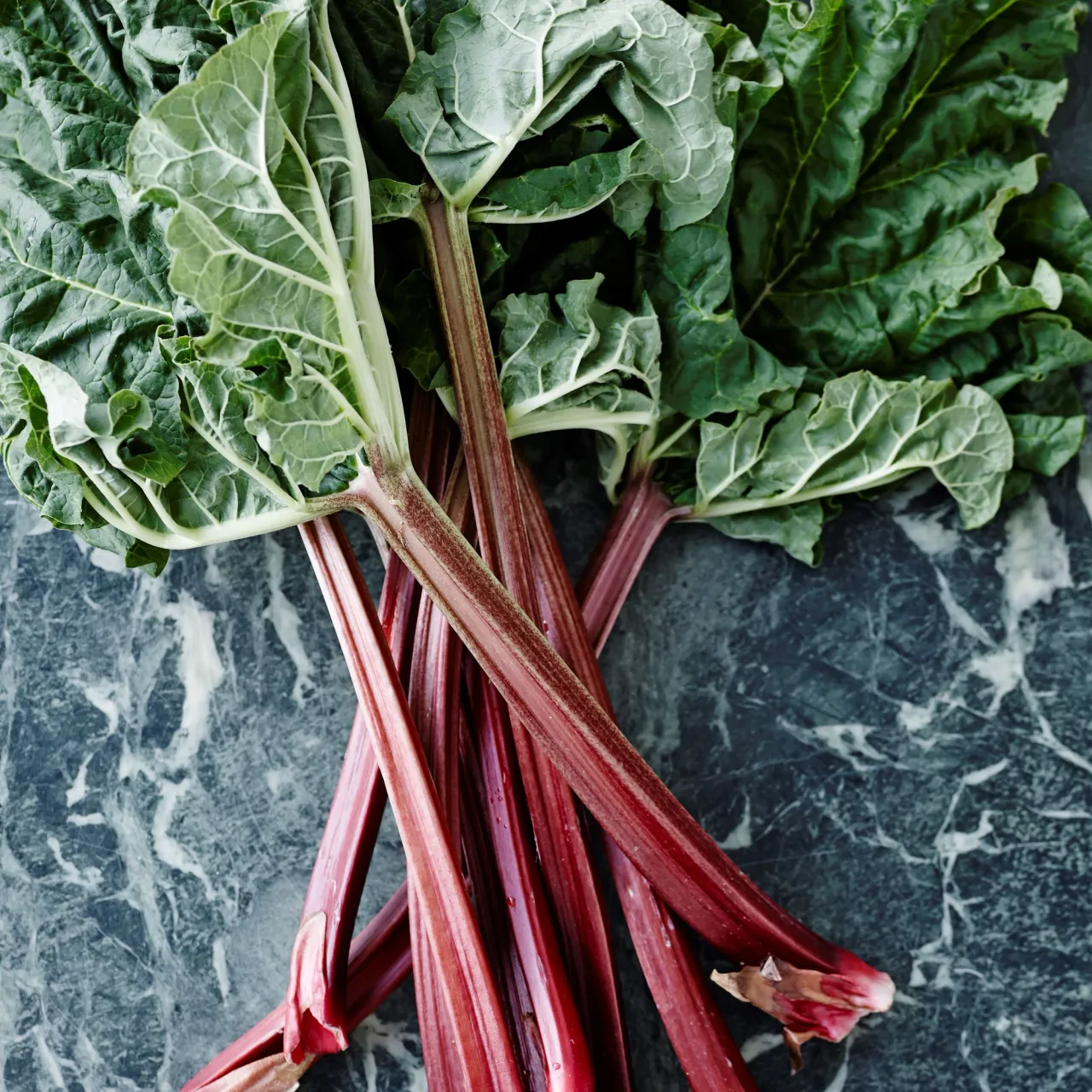
Pickled, baked, preserved - as juice, ice cream, compote, porridge, chutney, soup, in cakes, tarts, desserts… Rhubarb is a welcome guest in the kitchen with its wonderful flavor and many uses, and right now the red stalks are bursting up from the soil in Danish gardens.
Rhubarb may be spring’s most tart messenger, but it is also the one that best sweetens a meal in season.
Cooked into compote or juice, baked, added to a cake or a trifle - that is how we love rhubarb. Botanically, rhubarb is not a fruit but a vegetable, yet it is in the sweet kitchen that we use it the most. And of course as a sweet accompaniment to dishes such as chicken or garfish, in the form of rhubarb chutney or rhubarb compote, sweetened more lightly than a dessert compote.
There is a wealth of varieties with different flavor profiles, although unfortunately this diversity is rarely reflected where you buy your rhubarb or rhubarb plants. But do ask around - perhaps we can help change that.
If you want to perfume rhubarb, you can use the wild herb sweet woodruff or geranium from your windowsill or garden - simply cook a few leaves together with the compote or juice.
Spring rhubarb easily becomes a delicious, spiced chutney that makes a wonderful accompaniment to your stews, roasted vegetables, or a pork chop.
The chutney can be eaten right away or stored in the refrigerator for 2-3 weeks.
> You can find the recipe here <

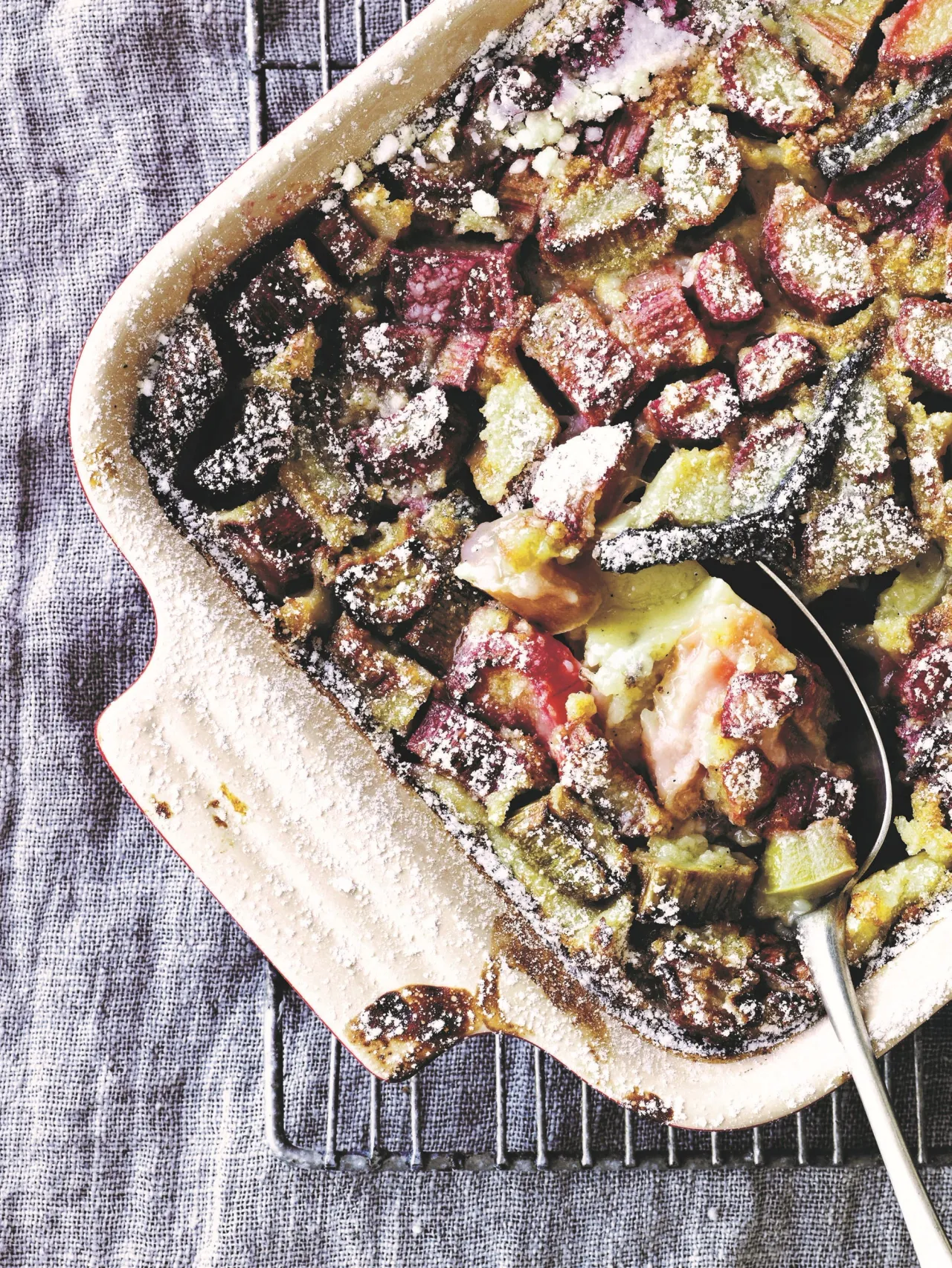
Rhubarb truly marks the farewell to winter, when we have had to rely on almonds, chocolate, citrus fruits, and old apples and pears to make desserts. The very first rhubarb is a heavenly bite in the year’s first fruit desserts or as an accompaniment to roasted chicken.
We are particularly fond of this rhubarb clafoutis, which is a kind of Nordic version of the classic French dessert - the tart rhubarb provides a perfect contrast to the mild batter.
> You can find the recipe here <
“ Always trust your taste buds rather than the recipe when working with rhubarb, as the natural sugar content varies from plant to plant. So taste as you go!
Wild rhubarb is very rare in Denmark. Naturalized rhubarb, on the other hand, is widespread and is often found near settlements and in places where garden waste has been left. The stalks contain oxalic acid, which is why they are so tart.
Always trust your taste buds rather than the recipe when working with rhubarb, as the natural sugar content varies from plant to plant. So taste as you go!
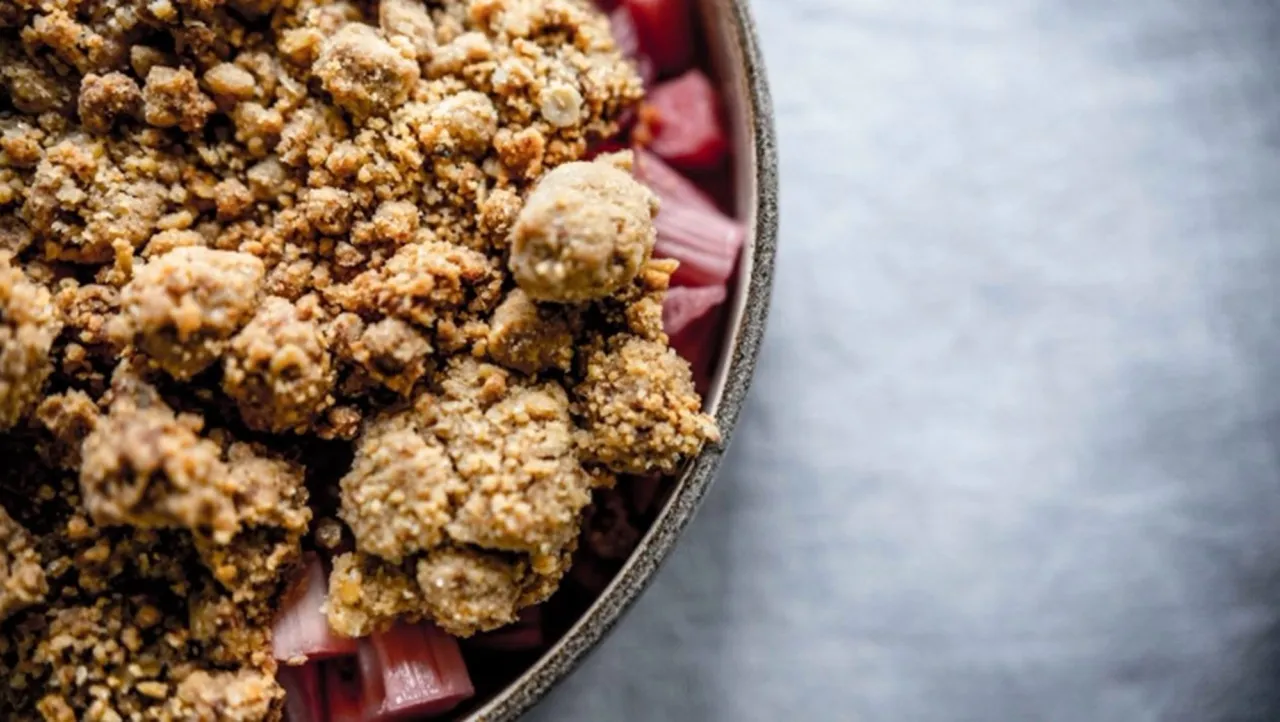
>Recipe for rhubarb crumble cake<
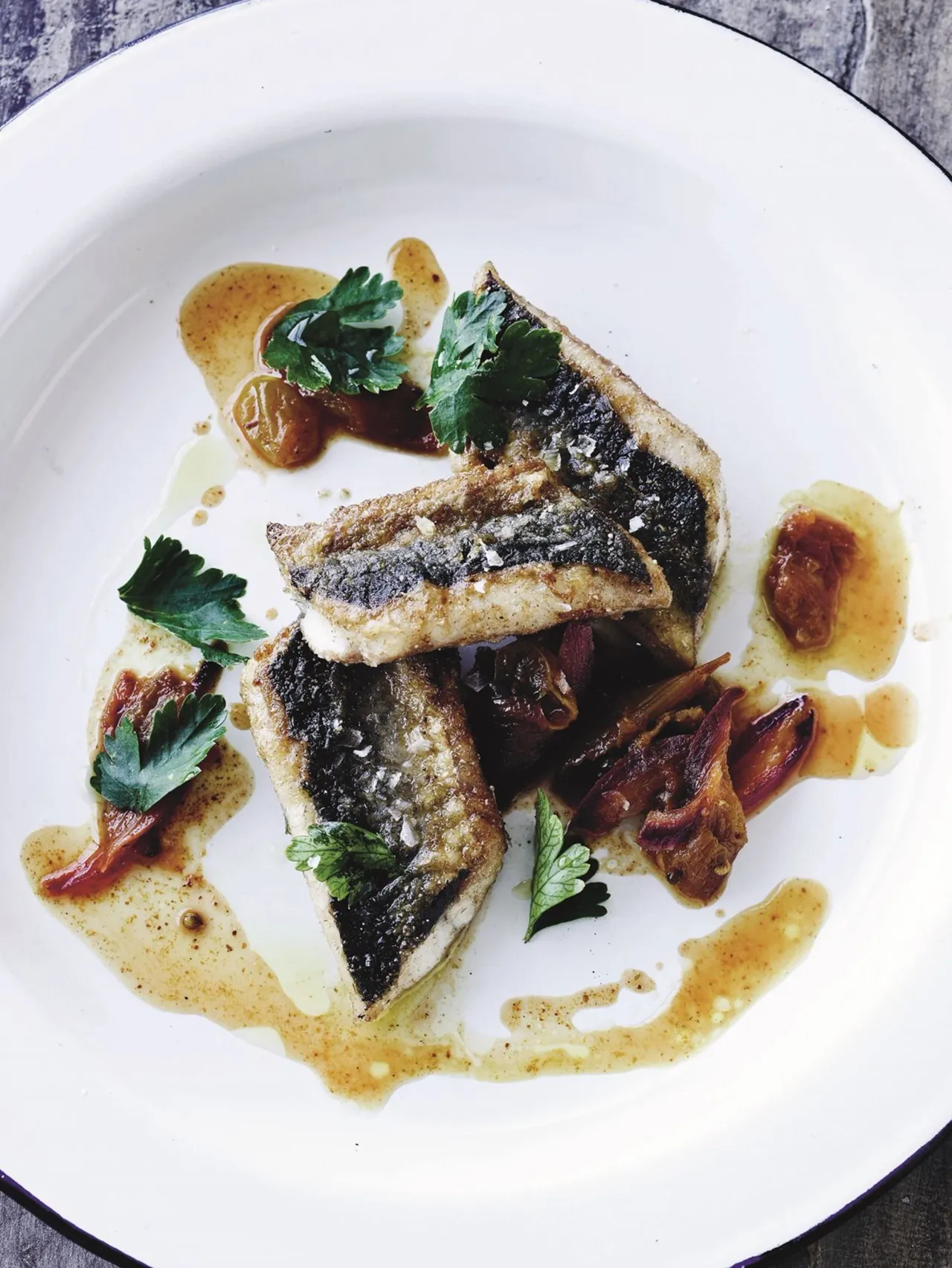
When anglers head to the coasts in spring to catch garfish, few realize that they are following a tradition that dates back thousands of years. Since the Stone Age, we have caught this fish as it swims in from the Atlantic through the Danish straits to spawn in shallow waters in May and June. As the fish is both delicious and healthy, we really should be eating much more of it than we do.
> You can find the recipe here <
Hold dig opdateret
Få de bedste opskrifter, tips fra kokkene og nyheder om alt det der spirer i Meyers' univers.