

Recipe
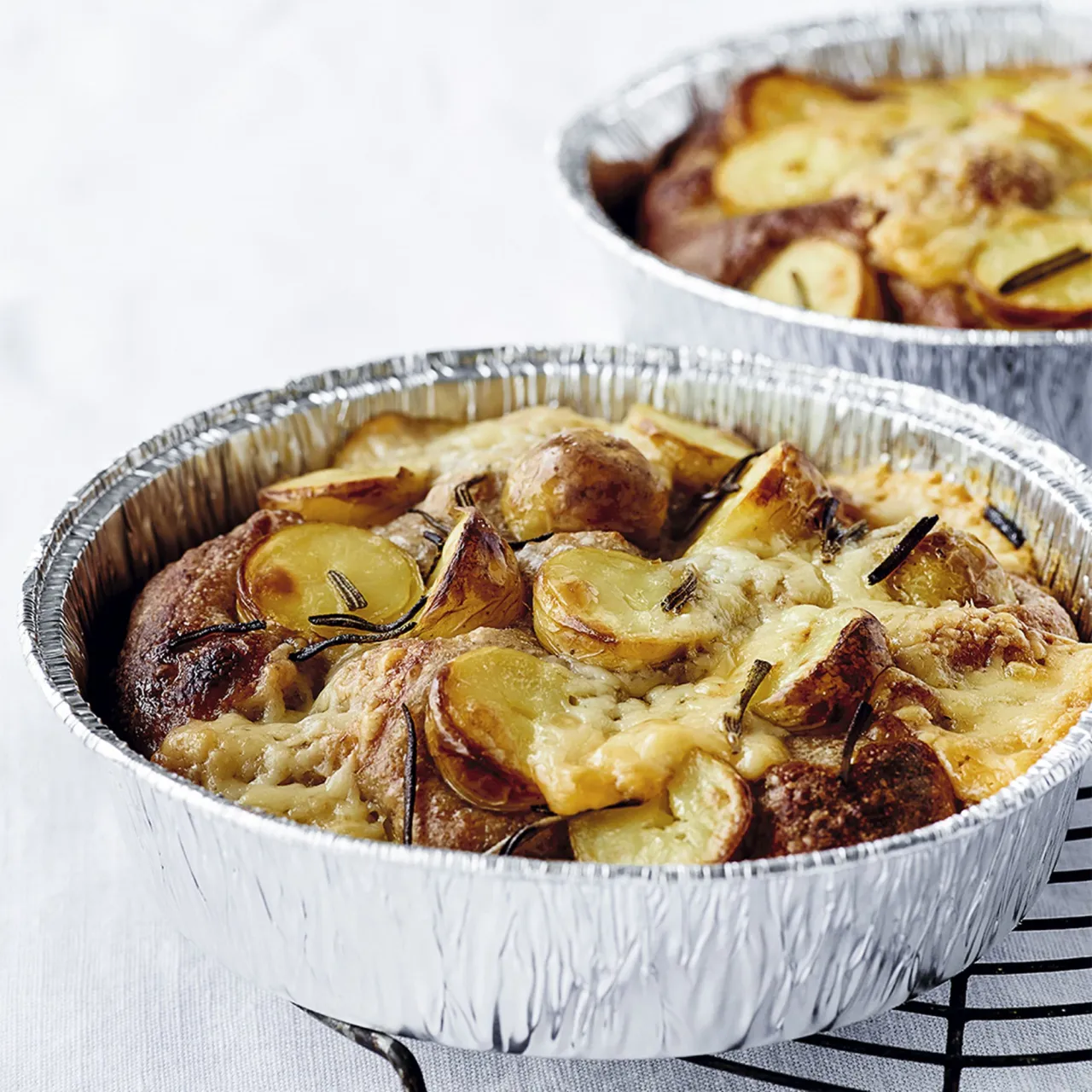
Potato bread
Potatoes, rosemary, and olive oil are baked into a wheat dough à la calzone pizzas. Serve the potato breads as a side for, for example, a soup or a stew, or enjoy them as a small meal on their own with a green salad.
Recipe
There is nothing quite like the very first plump, juicy new potatoes. They are a delicacy like no other! New potatoes are the essence of Danish summer, and they should be treated with respect. It certainly matters how you cook them. New potatoes have a particularly firm texture, and this is not due to the variety, but because they can actually be considered immature. This early harvest means they contain less starch and liquid than the potatoes we usually eat.
Potatoes have historically been the backbone of Danish cuisine, until these small tubers were - if not replaced - then at least pushed aside by foods such as rice and pasta. In the New Nordic kitchen, potatoes have once again taken on an important role. Potatoes have great nutritional value and contain significant amounts of dietary fiber, vitamins, and minerals.
Read along below as we guide you on how to get the very best out of new Danish potatoes.
“ The potato is rich in vitamin C and complex carbohydrates, and it offers an incredible range of possibilities in the kitchen: it can be mashed, baked, fried, boiled, used in soups, and served both cold and hot. We should not forget to appreciate our good old potatoes!
New Danish potatoes require very little preparation - simply scrub them lightly, then boil them to perfection and enjoy them just as they are. You can try adding a generous handful of herbs to the cooking water, as this will give the potatoes extra flavor. And remember to salt the water well before boiling - the water should taste like seawater so the potatoes absorb some of that salty flavor.
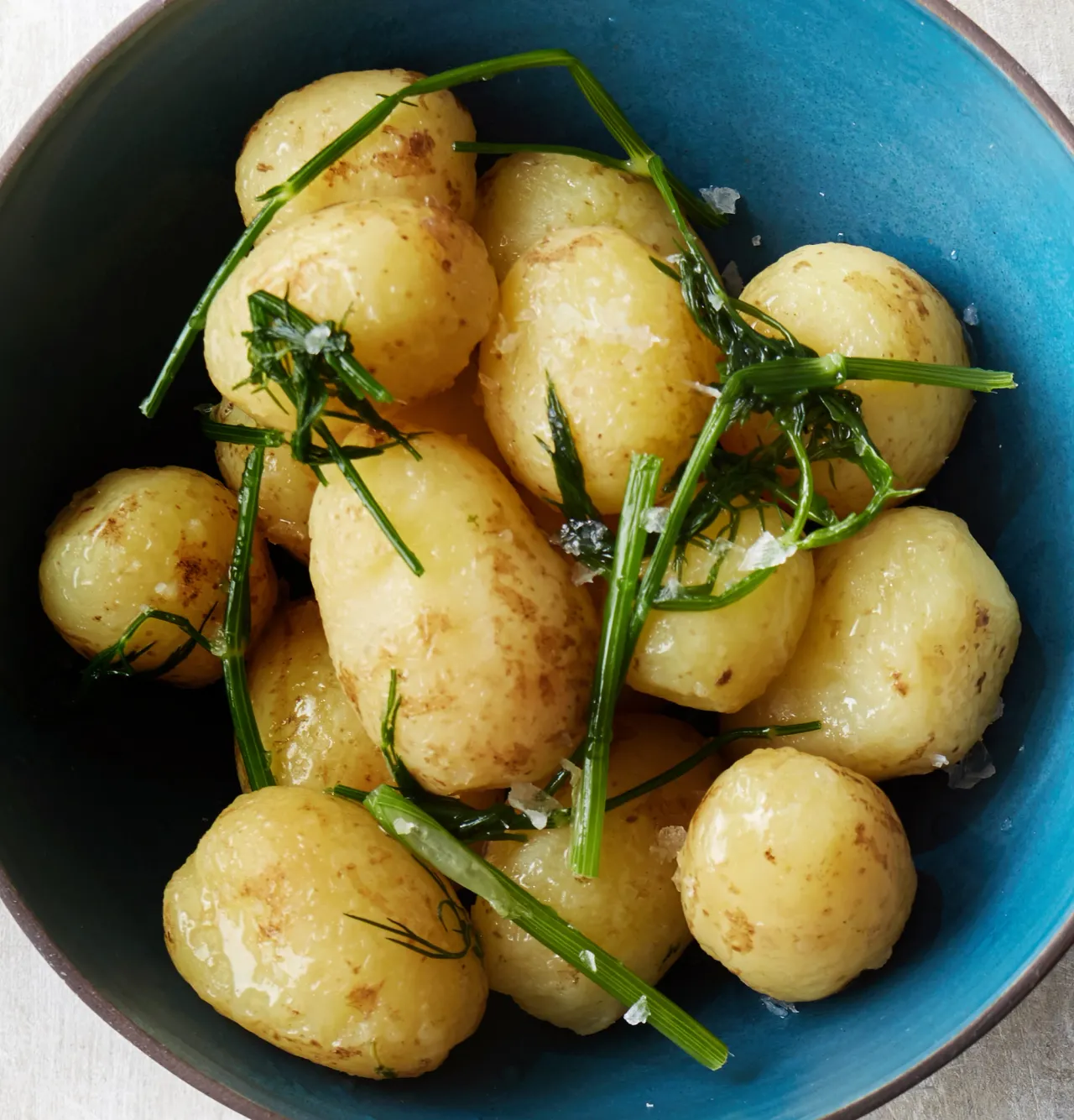
Since potatoes have a high starch content, they are not included in the dietary guidelines’ recommendation of a daily intake of 600 g of vegetables. However, potatoes have many beneficial qualities - they are quite filling and also contain many vitamins, especially if you choose to keep the skin on.
Summer is not only about new potatoes, but just as much about grilled food. So why not combine the two? Boil the potatoes in salted water for 6–8 minutes over low heat - they should still have some bite. Thread the potatoes onto skewers, brush them with a little oil, and sprinkle with sea salt. Grill them on a hot grill for a total of 3–5 minutes, remembering to turn them occasionally so they develop color and a crispy skin on all sides.
Potatoes, rosemary, and olive oil are baked into a wheat dough à la calzone pizzas. Serve the potato breads as a side for, for example, a soup or a stew, or enjoy them as a small meal on their own with a green salad.
RecipeDespite intensive campaigns, it was not until the first half of the 19th century that Danes began to incorporate the potato into their daily diet. By the end of the century, however, it had achieved a status that made a main meal unthinkable without gravy and potatoes.
Serving potatoes as a vegetable in a salad with a tangy or sweet-and-sour dressing was already known shortly after the year 1800, when potatoes were served this way as one of many dishes in a main meal. The warm sweet-and-sour potato salad first appeared late in the century in one of the many reissues of Madam Mangor’s cookbook.

A potato sandwich or cold potato salad calls for a firm potato. Choose a good waxy variety for the purpose - Bellinda, Alliance, Hansa, or possibly Linzer are good options. Make sure the potatoes are roughly the same size so they cook evenly. If needed, cut the largest ones. Cover the potatoes with water and add salt - it enhances the flavor.
Place the potatoes on the heat, and when they are about three-quarters cooked, remove them from the heat. Let them sit until tender. Check by inserting a small knife into one of the potatoes - it should feel firm but slide off the knife easily.
“ TIP! If you are boiling potatoes for open sandwiches, salads, or other dishes where they need to stay firm, you should cook them with salt to add flavor. A good rule of thumb is 6 grams of salt per liter of cooking water.
New potatoes are not only suited to being served whole - they also taste fantastic in a potato compote. In a compote, the potatoes are simply lightly crushed rather than fully mashed as in mashed potatoes. The compote can, for example, be served as a side for meatballs, lamb, fish, or vegetable dishes.
For this recipe, you will need:
1 kg new potatoes
Sea salt and freshly ground pepper
15 g butter
40 g fresh cheese
½ bunch lovage
How to make the potato compote:
Wash the potatoes thoroughly, scrubbing them lightly with a sponge or brush - do not peel them - and place them in a pot with water and salt. Bring to a boil, then cook the potatoes for 8 minutes over low heat. Turn off the heat and let the potatoes sit in the hot water for another 8 minutes.
Drain the potatoes, but do not discard the water - you will need a little of it for the compote. Lightly mash the potatoes with a whisk, then stir in the cold butter, fresh cheese, salt, pepper, and chopped lovage. Adjust the consistency with the potato cooking water, adding a little at a time, as the compote should not become watery.
Potatoes are best stored in a cool, dark place outside the refrigerator. You can store them in the fridge, but at low temperatures some of the starch is converted into sugar. This makes the potatoes more likely to burn when fried.
This does not matter much if the potatoes are to be boiled, but if you plan to fry or deep-fry them, it is best not to store them in the refrigerator first.

A delicious side dish for grilled food, meat dishes, and fish. Our parsley pesto can be bought if you want something quick and easy, or you can make your own. The green potato salad is topped with toasted sunflower seeds.
RecipeThe potato contains the amino acid glutamic acid, which, when cooked, becomes a source of umami - the fifth basic taste. This makes potatoes a great ingredient to use in dishes with less meat, which is otherwise our usual source of umami.
Hold dig opdateret
Få de bedste opskrifter, tips fra kokkene og nyheder om alt det der spirer i Meyers' univers.


