


Tilmeld dig vores nyhedsbrev
Få de bedste opskrifter, tips fra kokkene og nyheder om alt det der spirer i Meyers' univers.

September is a transition. Summer still lingers in the air, but something has changed. The light is softer, the mornings cooler, and in the kitchen we begin to look for something a bit more filling. This is when late summer passes the baton to autumn. The ingredients are still vibrant and fresh, but now with more body, more structure, and more depth. Meals slowly move indoors again. We may turn on the stove a bit earlier, let something simmer a little longer – and rediscover the joy of what comes together in the pot.
We can get most things all year round, but that does not mean they taste as they should.
When ingredients are allowed to fully ripen in their own rhythm and are harvested when they are actually ready, you can taste the difference.
At the same time, it often comes with a lower climate footprint and less transportation.
Here are five good reasons to eat seasonally:
In September, the kitchen begins to change character.
It is still green, but no longer only light. Now there is more weight, sweetness, and resistance in the ingredients.
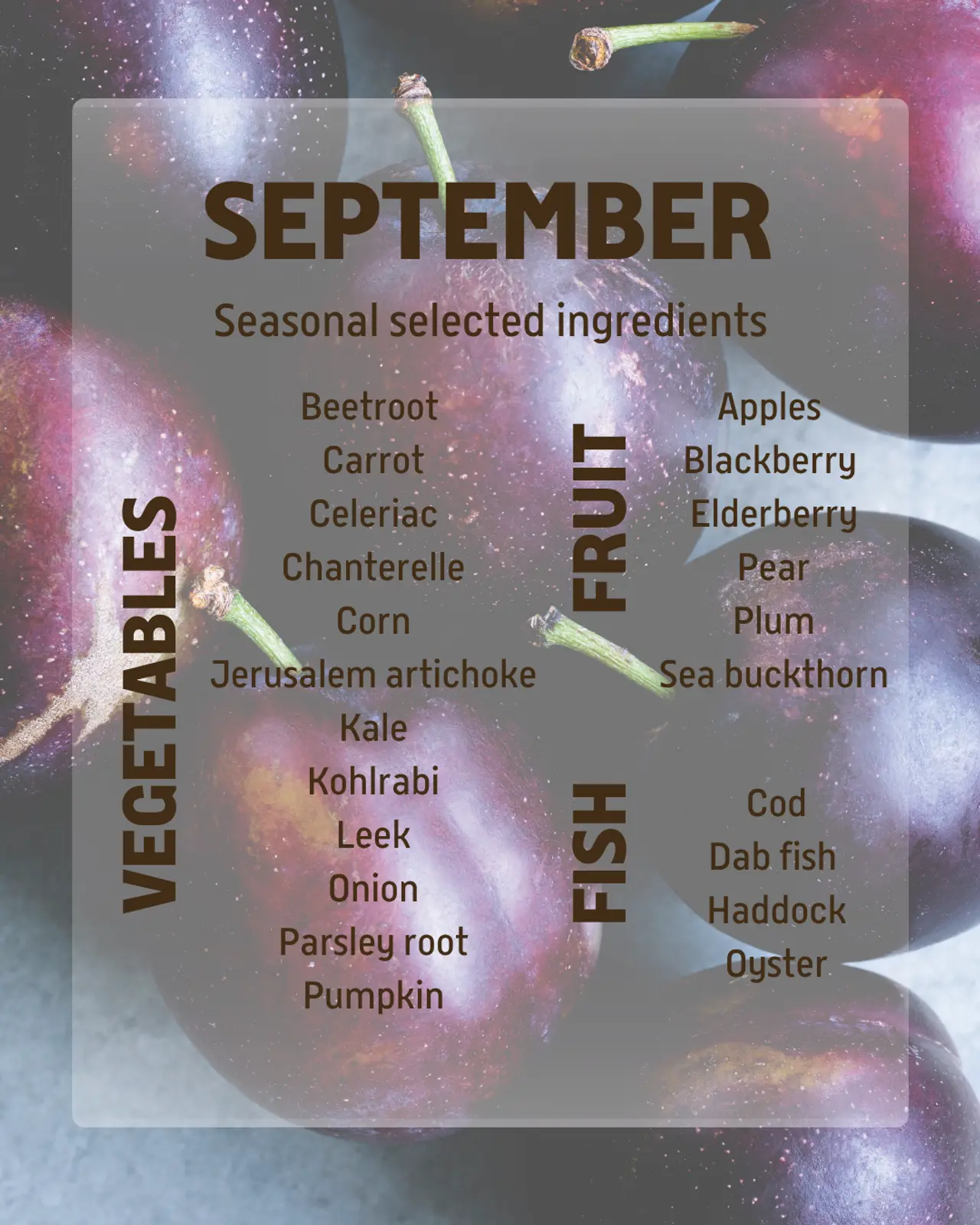
Four ingredients that truly define September:
September is mushroom season. Chanterelles, porcini, and button mushrooms bring a deep, earthy flavor into the kitchen.
Sear them hard in a pan so they develop color and concentration. Use them in everything from simple dishes to more substantial stews.
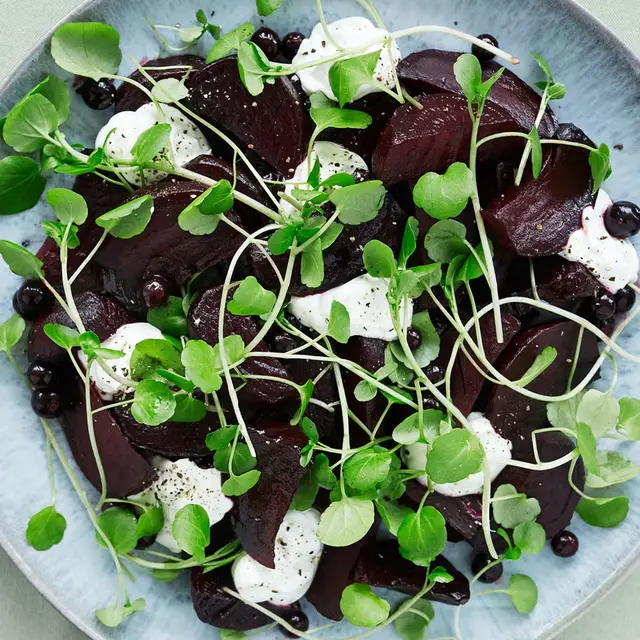
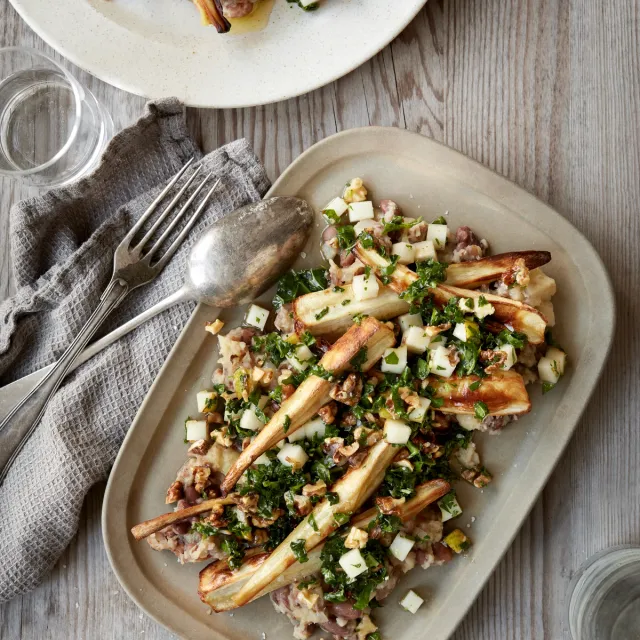
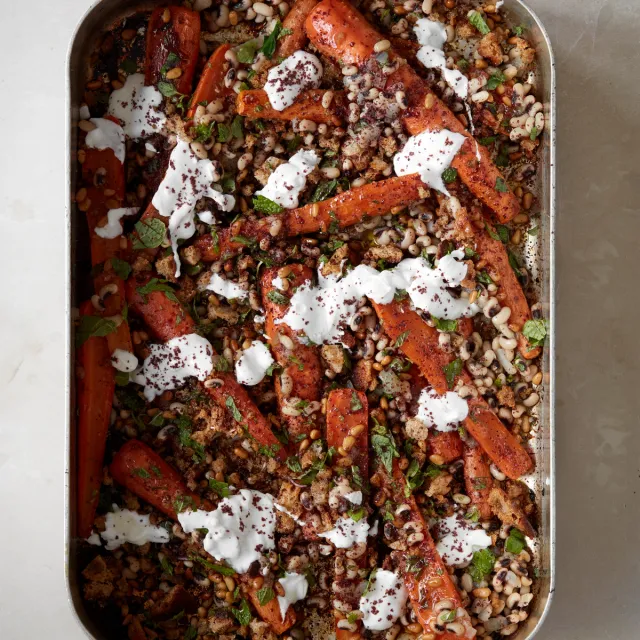
Carrots, beets, and parsnips really begin to take center stage.
They have drawn flavor from the soil all summer and now emerge with sweetness, structure, and substance. Roast them, boil them, or fry them – they can carry a meal.
Danish apples are something special.
The cool climate and long bright days produce apples with a unique balance between acidity and sweetness – and a crispness you can almost hear when you bite into them. In September, the first varieties really begin to appear. Aroma, Discovery, and Filippa – each with its own character. Some light and tart, others more rounded and honey-sweet.
What they all share is freshness, which makes the apple one of the most versatile ingredients in the Danish kitchen. Use them raw, where their crispness can stand on its own. Grate them into salads, cut them into wedges, or let them provide contrast to something rich and salty. But apples can also do something entirely different when heated. The sugar becomes more pronounced, the acidity softens, and the texture collapses into something more rounded and mild. This is when they begin to taste like autumn – of cakes, compotes, and dishes that are allowed to linger a bit longer on the stove.
The first cabbages begin to appear.
Crisp, slightly bitter, and full of character. They can be eaten raw, finely sliced, or cooked and turned soft and sweet. Cabbage marks the beginning of a kitchen that can handle a bit of everything.
In September, many ingredients have reached a point where their flavor is more concentrated – and their structure more robust.
The plants have completed their growth phase and stored energy in roots, tubers, and fruits. This results in higher dry matter content, more complex sweetness, and a firmer texture.
This is why root vegetables caramelize better, mushrooms develop deeper flavor when sautéed, and cabbage can handle both heat and acidity.
For you in the kitchen, this means:
You can turn up the cooking – and get more in return in terms of flavor.
“ September is when everything that has grown all summer begins to come together.
In September, cooking methods change along with the ingredients.
Where summer cooking is defined by short cooking times and high freshness, we now move toward techniques that work with time and temperature: searing, roasting, and slow cooking.
This is not only about habits – but about the composition of the ingredients.
Root vegetables and cabbage have a higher dry matter content and more complex carbohydrates, which only fully develop flavor when exposed to heat. At the same time, Maillard reactions and caramelization create depth and complexity that raw cooking cannot achieve.
This is where we begin to cook food that is not only fresh – but also rounded, full-bodied, and lasting in flavor.
Hold dig opdateret
Få de bedste opskrifter, tips fra kokkene og nyheder om alt det der spirer i Meyers' univers.