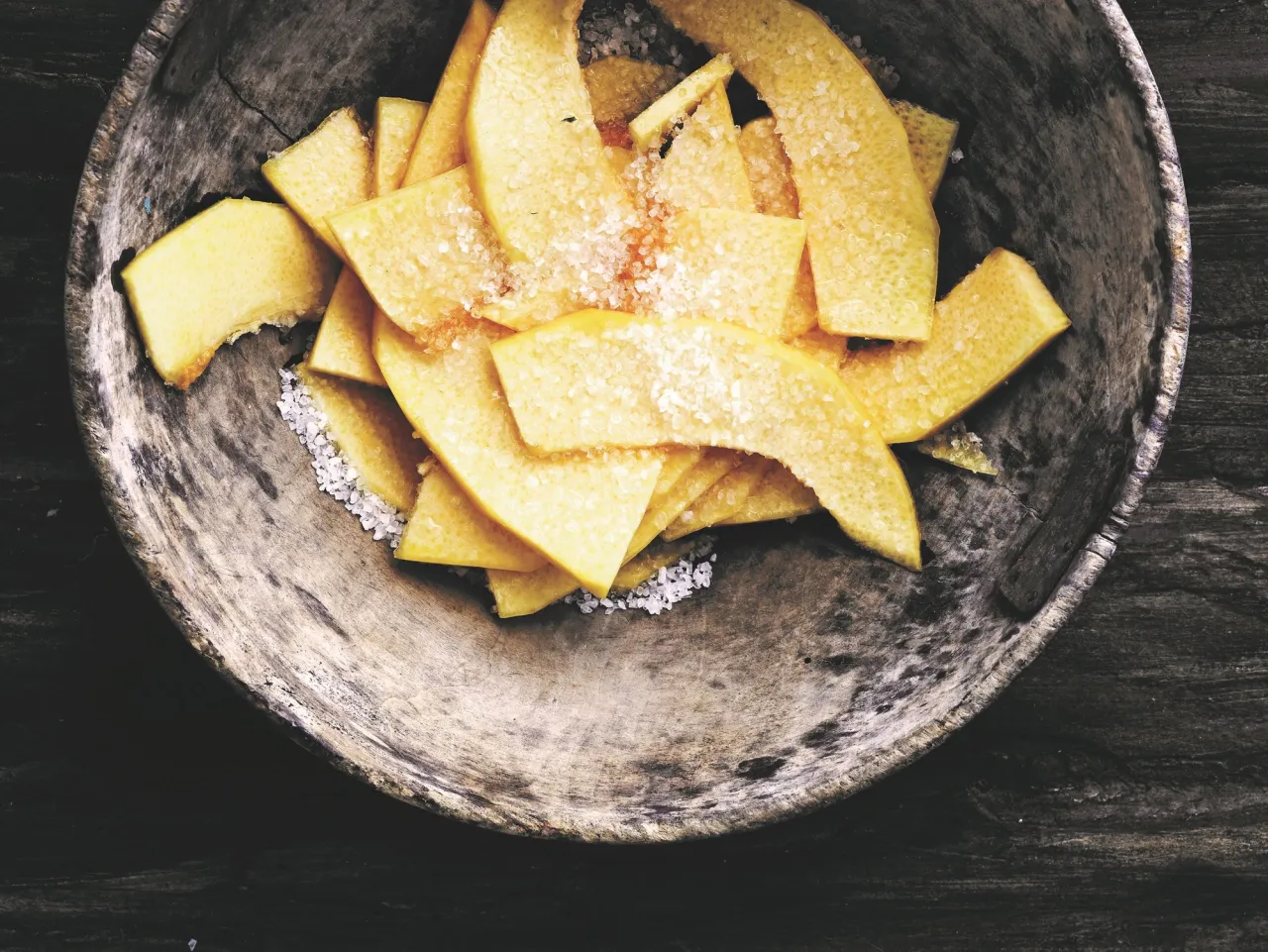
It lights up gardens, markets, and plates as the seasons change and the kitchen calls for warmth, depth, and flavor.
With its rough exterior and golden interior, pumpkin is one of the most versatile ingredients we have in the autumn kitchen. It can be puréed into creamy soup, roasted in wedges, pickled, toasted, mashed, or turned into cake. It is sweet, nutty, mild, and excellent at absorbing flavor.
We love pumpkin
And that’s perfectly fine. Because we also find ourselves longing a little for indoor comforts, apple cakes, and the crisp freshness that autumn winds bring. The season for long walks and slow-cooked meals is upon us. And cabbage, pears, root vegetables, nuts - and not least the king of autumn, the orange pumpkin - should take center stage in the kitchen.
The versatile, beautiful pumpkin comes in countless shapes and colors and lights up the falling leaves when it sits in the garden. Let pumpkin take the lead in your cooking from now on and for many months to come.
“ Many people associate pumpkins with Halloween, where they are hollowed out, carved with faces, and used as lanterns in gardens - but pumpkins are so much more than that.
They can be pickled, boiled, baked, puréed, steamed, and used in both savory and sweet cooking - the only limit is your imagination.
Learn more about pumpkin
Pumpkin is usually considered a vegetable, but due to its many seeds, it is actually a large berry - the world’s largest berry. A berry that can be elongated, round, or pear-shaped, such as butternut squash.
Butternut squash and hokkaido are two of the most well-known varieties and are quite similar, with their hard, thick skin and soft, slightly fibrous flesh.
Pumpkin, pumkin, pumkin
Hokkaido pumpkin
The sweet pumpkin
Hokkaido has a naturally sweet flavor and is particularly well suited for soups. Try, for example, a delicious and flavorful pumpkin soup made with hokkaido, onions, and cream - it’s perfect for warming you up on cold autumn days. If you want an extra kick of flavor, you can add lemon juice and chipotle chili.
You may not know it, but both zucchini and cucumber fall under the category of “squash.” They belong to the group known as summer squash and are characterized by being small, immature fruits with thin skin. They are often elongated and green.
The varieties we typically associate with “pumpkin” are winter squash - such as hokkaido, butternut squash, and the classic Halloween pumpkin. These are usually orange or yellow when ripe. While winter squash should always be cooked, summer squash can be eaten raw.
Use pickling and spices
Soup is a well-known way to use pumpkin, but we also love pickling and roasting it. When combined with flavorings such as ginger, chili, garlic, and lemon, a beautiful harmony is created with the pumpkin’s natural sweetness.
If you pickle pumpkin as in this recipe, it can be used in salads, as a side for stews, or as a tangy accompaniment to cold cuts.
A lovely recipe for bruschetta with pumpkin purée and goat cheese. These small toasts can be served as a warm snack or as a starter with a good salad on the side.