Welcome autumn with a mushroom foraging trip in the forest
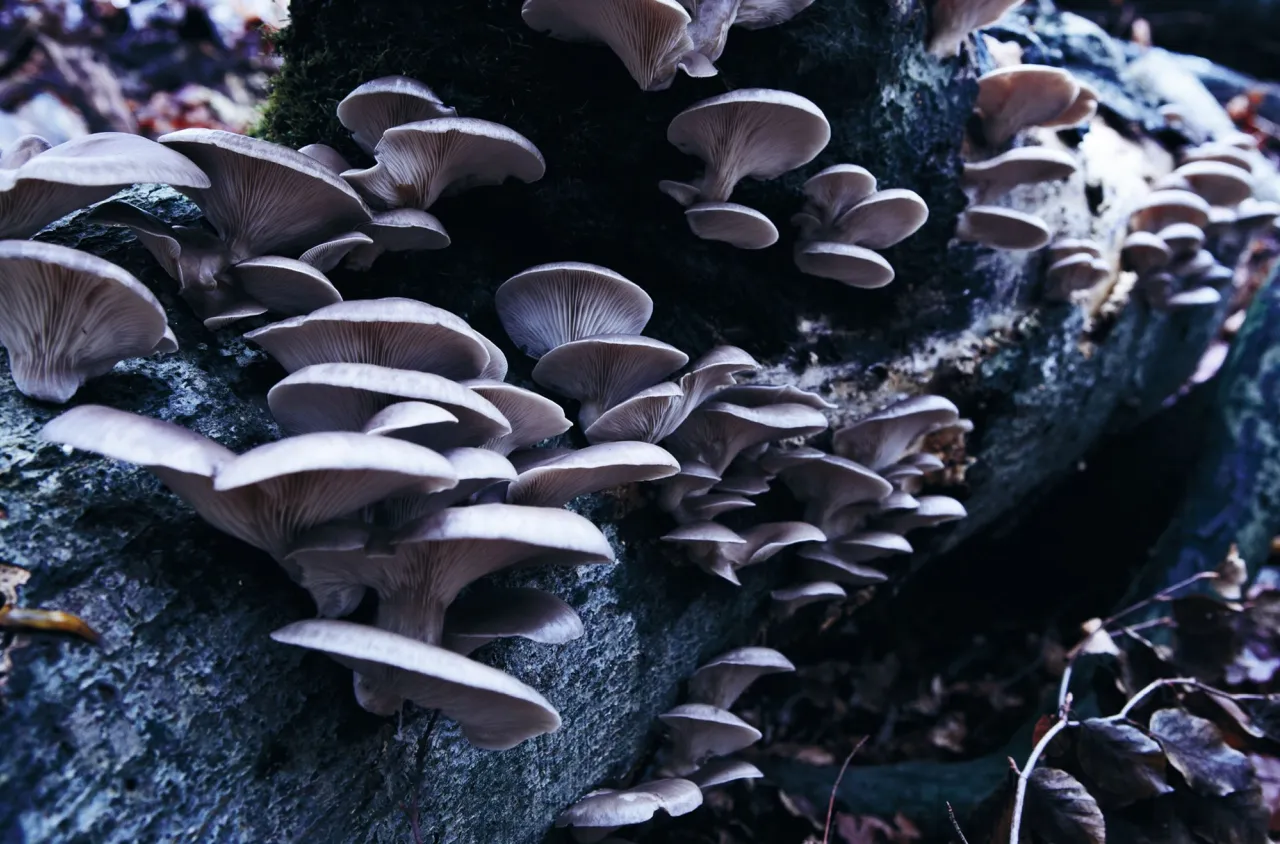
As late summer settles over Denmark, it is time to head into the forests, where life stirs both in the treetops above and in the woodland floor below. It is the season for berry picking, apple gathering, and above all, mushroom foraging. Right now, you have the chance to get up close to one of our favourite seasonal ingredients: the mushroom.
We all know the familiar edible mushrooms: the common button mushroom, delicate chanterelles, oyster mushrooms, and the mild, nutty porcini. But have you heard of the birch brittlegill, the sheathed woodtuft, the parasol mushroom, or the amethyst deceiver? The list is long, and despite their curious names, they are all edible and often far more delicious than you might expect.
Edible mushrooms can be found in Danish forests throughout the year, but according to the Danish Nature Agency, the greatest abundance is found between August and October.
Whether you have foraged the mushrooms yourself or picked them up at the market, they promise deep flavour and plenty of umami in the kitchen. Mushrooms are remarkably versatile and can be roasted, sautéed, dried, or pickled, each method bringing out a different character. Their satisfyingly meaty texture also makes them an excellent ingredient in plant based cooking, adding richness and depth to a wide range of dishes. From soups, tarts, and risottos to creamy mushrooms served on toasted bread, the possibilities are endless. We hope the recipes below will inspire you to make the most of the season.
GET TO KNOW YOUR EDIBLE MUSHROOMS
We have selected four popular edible mushrooms that you can find in Danish forests right now. Get to know them here:
Chanterelle is one of the most popular wild edible mushrooms, instantly recognisable by its golden orange colour. Typically small and funnel shaped with wavy edges, it grows in both coniferous and deciduous forests, particularly in open areas with slightly acidic soil.
Porcini, also known as cep or King Bolete, is found in both deciduous and coniferous woodlands. It is easily recognised by its chestnut brown cap and thick, sturdy stem, and is prized for its rich, nutty flavour.
Field mushroom closely resembles the cultivated mushrooms found in supermarkets. It is a small grey white mushroom commonly found growing in unfertilised grasslands, meadows, and pastures.
Horn of Plenty, also known as the black trumpet, may not look particularly inviting with its dark grey to almost black colour, but it is an outstanding edible mushroom. It has a wonderfully aromatic, spicy fragrance and is most often found in deciduous forests.
GO MUSHROOM FORAGING
If you are heading out to forage, bring a reliable mushroom identification guide with you, and only pick mushrooms that you are completely certain you can identify as edible.
Look out for prized chanterelles, whose distinctive funnel shape and golden colour make them difficult to mistake for poisonous mushrooms. Back in the kitchen, they can be simply sautéed, used to enrich a stock with their deep flavour, folded into a creamy mushroom stew, or served on toasted bread. You can also dry them in a fan oven at 60°C for about 1 to 1½ hours and store them for soups, sauces, and stews.
Wild mushrooms generally offer a deeper, more complex flavour than cultivated varieties. There is also growing evidence that wild foods often contain higher levels of beneficial nutrients, including vitamins, minerals, and essential fatty acids.
“ The chanterelle typically grows to between 2 and 10 cm in height and is recognised by its egg yellow colour, distinctive apricot aroma, funnel shaped form, and wavy cap.
It can be found until November and always grows in association with trees, most commonly oak, birch, and pine. Chanterelles are especially abundant in nutrient poor, slightly acidic soils.
Harvest chanterelles carefully by cutting the stem at the base, and brush away any dirt while you are still in the forest. Once home, clean them thoroughly without using water, as rinsing can diminish their flavour.