Oranges, limes, grapefruit, lemons, and clementines. These are just a few examples, as the list of citrus fruits is long. Citrus fruits originally come from Asia and were primarily made up of four varieties, which have since crossbred countless times into the fruits we know today.
Add a fresh twist to winter dishes with citrus fruits
We simply can’t do without their wonderful qualities during winter, when they brighten up the plate among cabbages and root vegetables. In addition to being fantastic flavor enhancers and great companions in the kitchen, they are also vitamin-packed and an important source of vitamin C. The sweetness of oranges and the acidity of lemons are perfect for lifting any meal. Lemons and oranges, in particular, are widely used in both sweet and savory cooking - from jams, salads, and dressings to baked goods.
Read on as we share a wealth of different recipes, perfect for both Christmas and cozy winter moments.
ORANGES
Like other citrus fruits, oranges are in season during the winter months, when they offer something truly special compared to the rest of the year. Their taste and aroma are delightful all year round, and their sweetness works well in everything from marmalades and salads to cakes. We especially think they shine during the sweet Christmas season - try adding orange to your æbleskiver, ambrosia, gingerbread cookies, or holiday salads.
“ Around Christmas, blood oranges are at their peak, and they make a beautifully perfumed and aromatic orange marmalade if you use them instead of regular oranges.
Recipe
Ambrosia Christmas cake
Orange and marzipan
Ambrosia was the name of the food of the ancient gods, said to grant them immortality and eternal youth. We can’t promise you that - but less will do. You should treat yourself to using cinnamon bun dough for this wonderful Christmas cake with orange and marzipan.
You can use both the zest and juice of all kinds of citrus fruits in simple creamed butter; they can all be used for glazes, cakes, drinks, and warm beverages like toddies and mulled wine. Their delicate citrus aromas elevate oven-roasted root vegetables, a baked potato, a steak, fish, or raw winter salads with cabbage and root vegetables.
LEMONS
Most people are familiar with the lemon cake you find in the supermarket wrapped in yellow packaging - a safe and easy choice. However, we would almost bet a lemon cake that our homemade version below can convince even the most devoted store-bought cake enthusiasts to swap it for flour and lemons and start baking themselves.
Recipe
Homemade lemon cake
Lemons
Most people know the classic lemon cake—a soft and moist cake topped with a lemon glaze made with cream cheese and plenty of lemon. We can assure you that this version will convince even the most devoted store-bought cake enthusiasts to ditch the packaged kind and start baking with flour and lemons themselves.
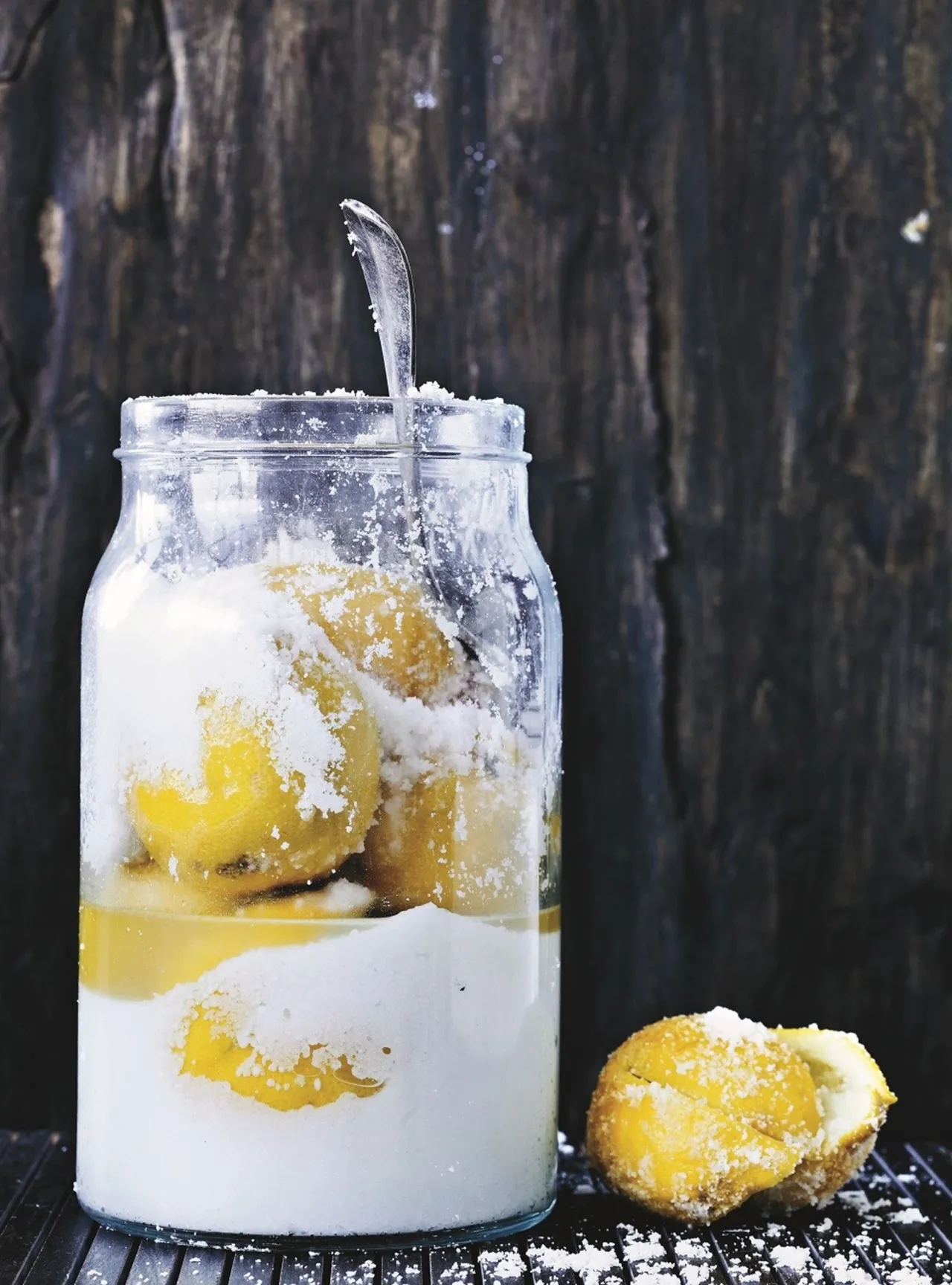
Wintertime is citrus season. Citrus fruits are in season during the winter months, which is also when they are usually at their cheapest. Preserved lemons significantly extend the shelf life of lemons. The preserving process gives them a more refined and complex aroma, and they work particularly well as a seasoning and flavor enhancer in soups, salads, poultry, and fish.
Use the whole lemon and cut it into smaller pieces - just remember to remove any visible seeds first, as they add unnecessary bitterness. You can also blend some of the yellow flesh and use it in dressings.
You can find our recipe for preserved lemons here.
Difference in shelf life
Many of the citrus fruits we find in supermarkets come from Southern Europe or California. Because many of them travel long distances, it can be difficult to predict their shelf life. As a rule of thumb, they will keep for about 1–2 weeks after you buy them.