Tilmeld dig vores nyhedsbrev
Få de bedste opskrifter, tips fra kokkene og nyheder om alt det der spirer i Meyers' univers.
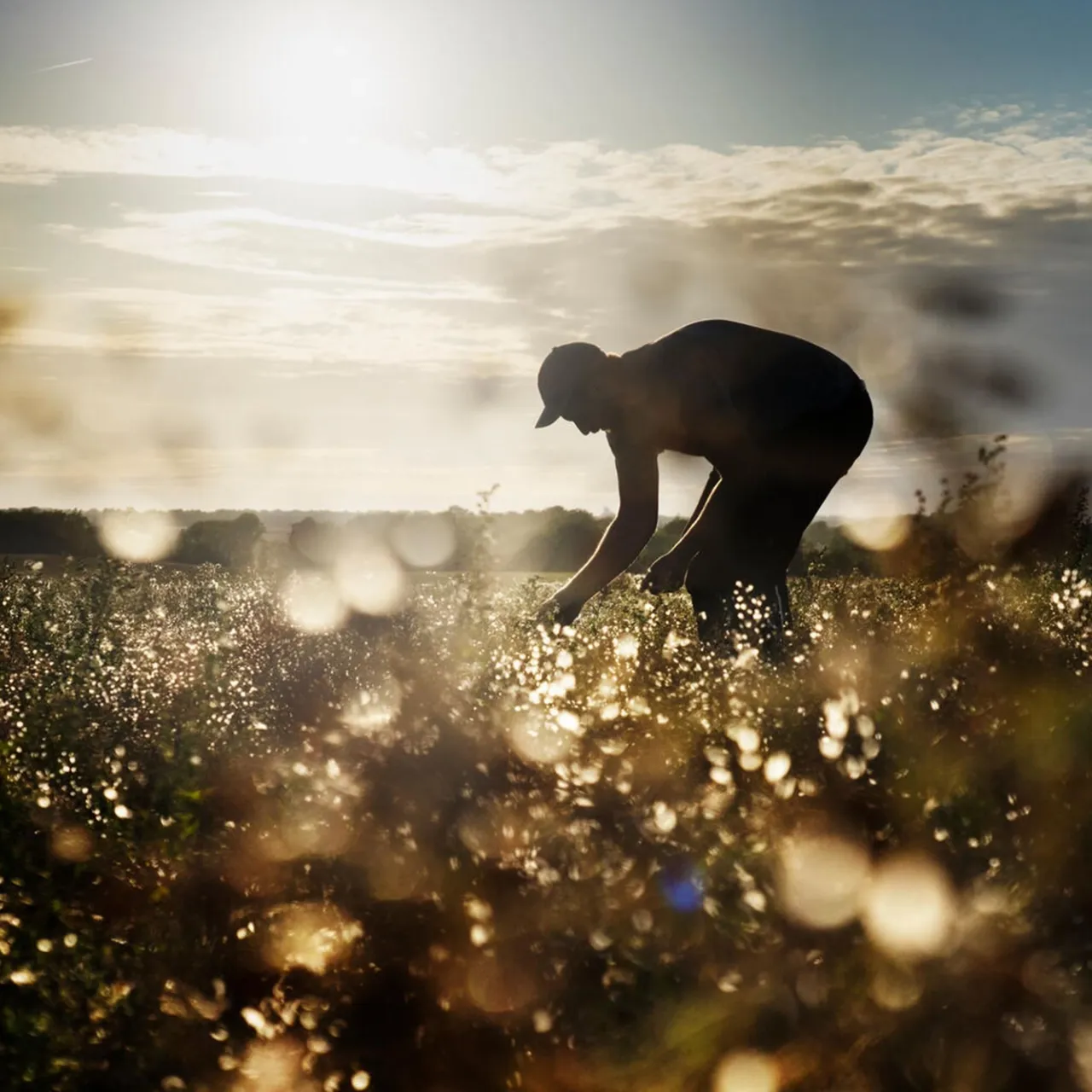
Organic food is an important priority for us. But why, and is organic still relevant from a sustainability perspective?
Climate is on everyone’s lips when we talk about food and sustainability - for good reason. But climate considerations are not the whole story when it comes to sustainable food consumption. There are many factors to consider, and this is where organic farming comes in.
With organic production, we prioritize several aspects of sustainability. By using organic ingredients, we protect fields, nature, groundwater, and our bodies from pesticides, and we avoid the environmental impact of synthetic fertilizers, which, among other things, harm our aquatic ecosystems. Not least, organic production contributes to better animal welfare through the strict standards that organic farmers commit to, including requirements for space and access to fresh air for animals.
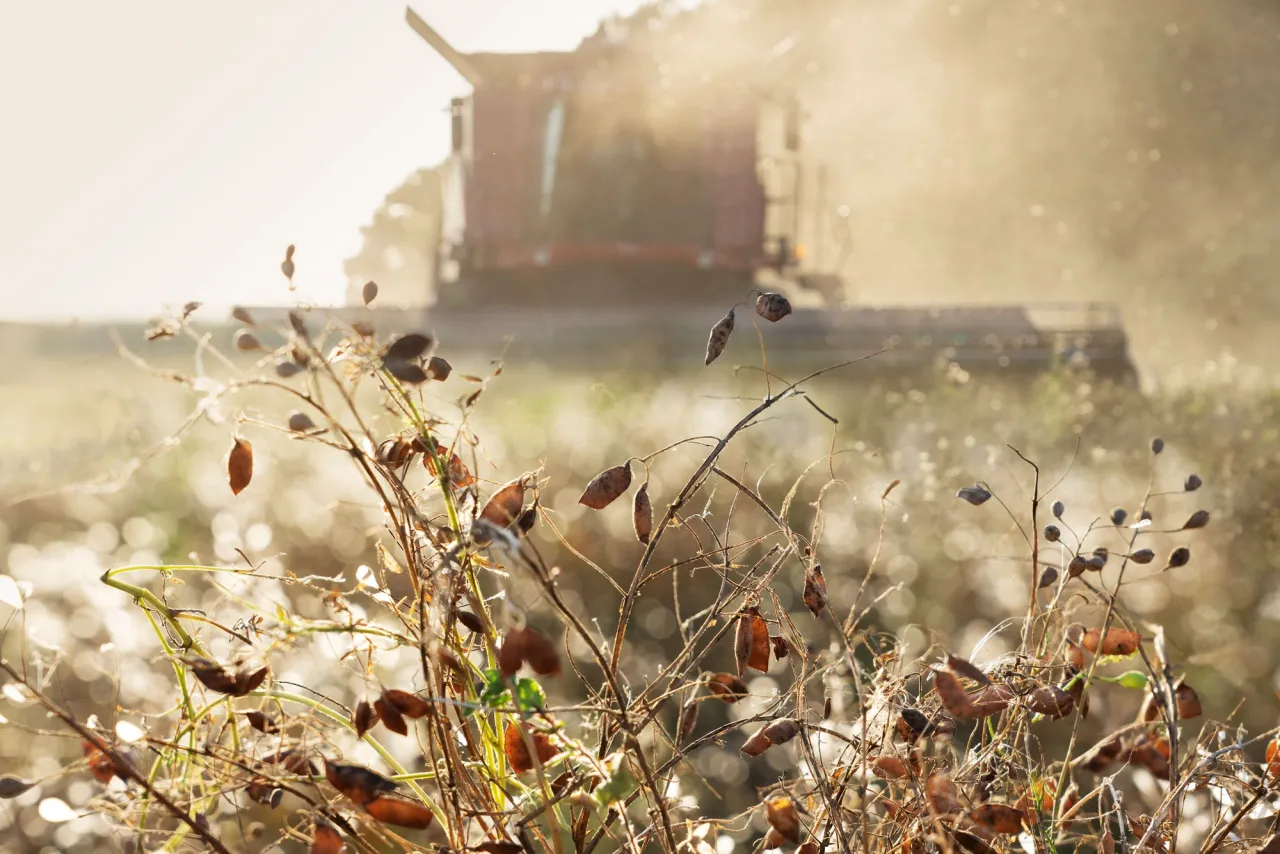
Only Bangladesh is more intensively farmed than Denmark. By choosing organic, we can reduce the pressure on nature in our small, densely used country. For example, when we bake exclusively with flour from organically grown Nordic grain in our kitchens, we help protect large amounts of groundwater: for every kilo of organic flour - or roughly 1.8 kg of organic bread - we save 330 liters of groundwater from being contaminated with pesticides.
As a rule of thumb, the climate footprint of organic and conventional products is comparable. However, some organic foods may have a higher climate impact than their conventional counterparts. For example, when animals have more freedom to move, they use more energy and consume more feed, which increases their climate footprint. In the cultivation of plant-based ingredients, the footprint can also be slightly higher because yields are typically lower than in conventional production. On the other hand, the opposite can be true for some products, as certain organic farming systems are more energy-efficient than conventional ones.
“ We have set ambitious goals to reduce the climate footprint of our meals. At the same time, we believe it is important to prioritize organic production. What do you think?

When you buy organic, you get food without synthetic chemicals and additives, and you avoid pesticide residues in fruits and vegetables.
Animal welfare is one of the key advantages of choosing organic when it comes to animal products. Organic livestock farming must meet some of the strictest standards in the food sector for animal well-being and freedom to express natural behavior.
By choosing organic products, you help protect groundwater from residues of the chemicals used in conventional farming. This makes an important difference in a small and intensively farmed country like ours, where our drinking water comes from beneath agricultural land.
On average, there are 30% more wild plant and animal species on organically farmed land compared to conventional farmland. Due to reduced pollution, organic farming also helps protect wildlife in aquatic environments.
It’s not always the case that organic ingredients taste better than conventional ones. However, all else being equal, organic plants and animals are given more time to grow and develop under more natural conditions. This is often why organic products win gourmet awards.
Hold dig opdateret
Få de bedste opskrifter, tips fra kokkene og nyheder om alt det der spirer i Meyers' univers.